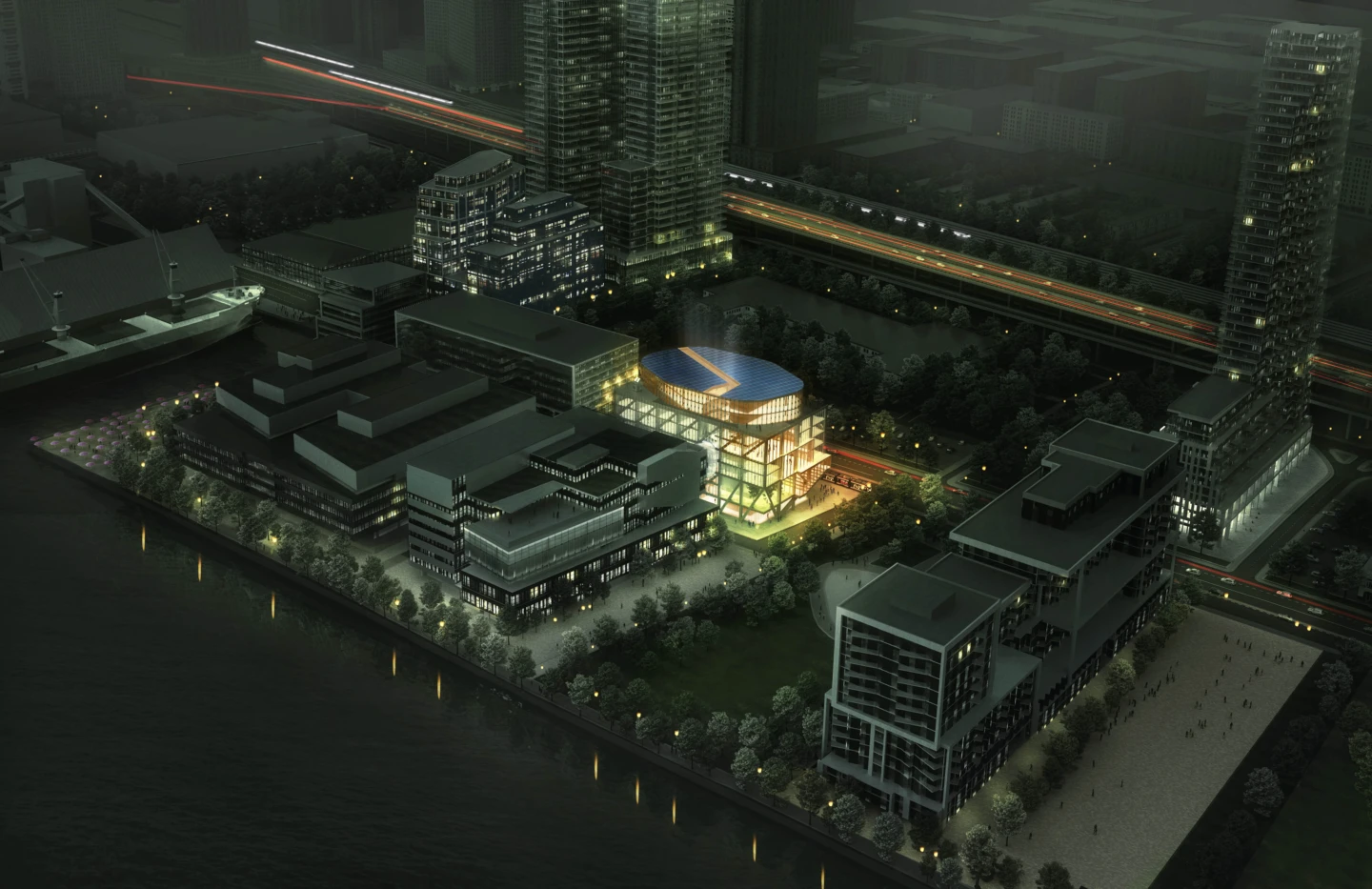
Aerial view of The Arbour – George Brown College, illuminated

The Arbour – George Brown College

  • Country Canada
  • City Toronto
  • Customer George Brown College
  • Surface area 13,222 m²
  • Year 2018

The Arbour was designed as part of an international architectural competition for George Brown College.

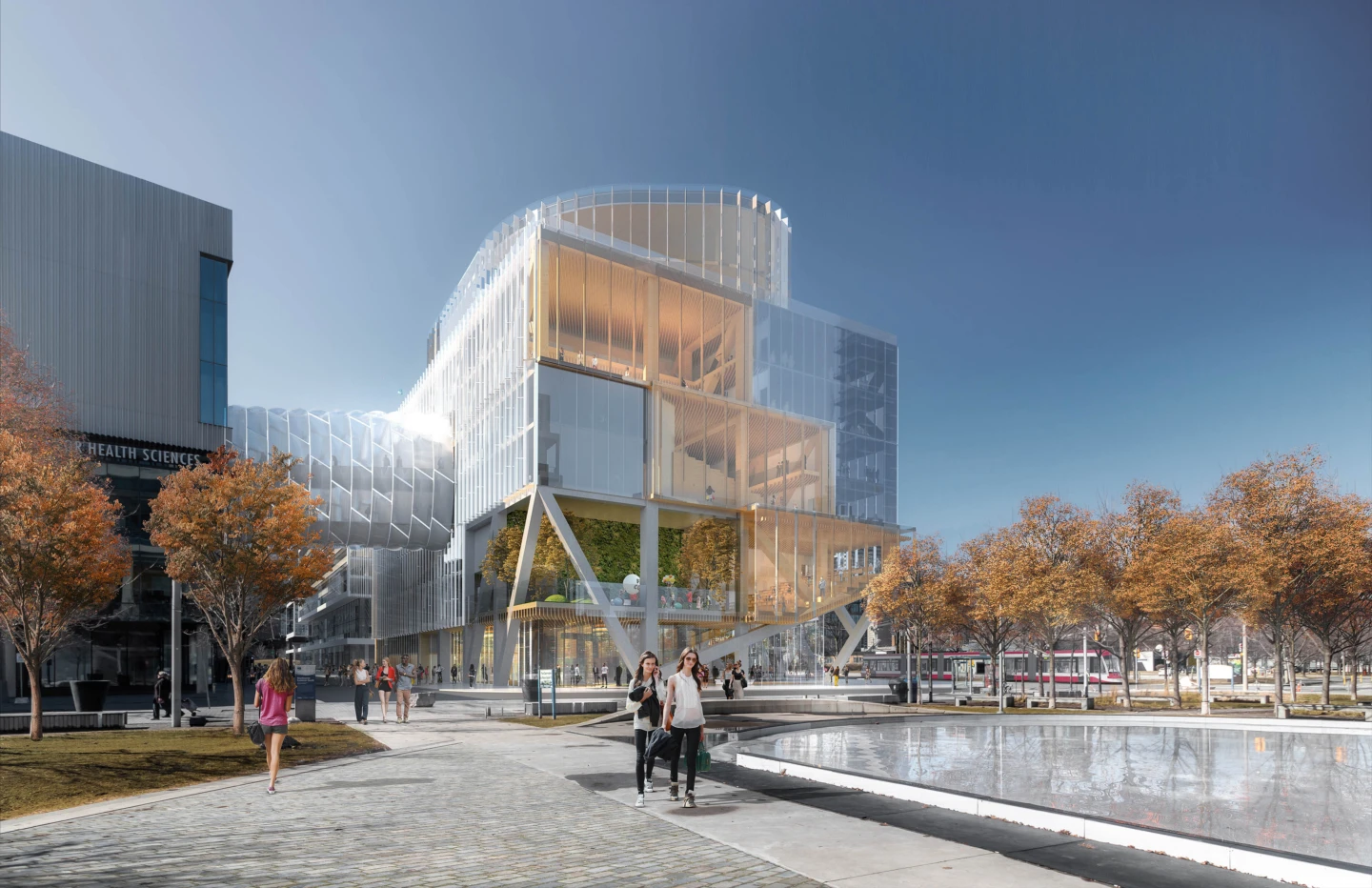
Located at the heart of the Waterfront campus in Toronto, at the junction between the School of Design and the Daphne Cockwell building, the project blurs the boundary between building and city, between architecture and urban design.
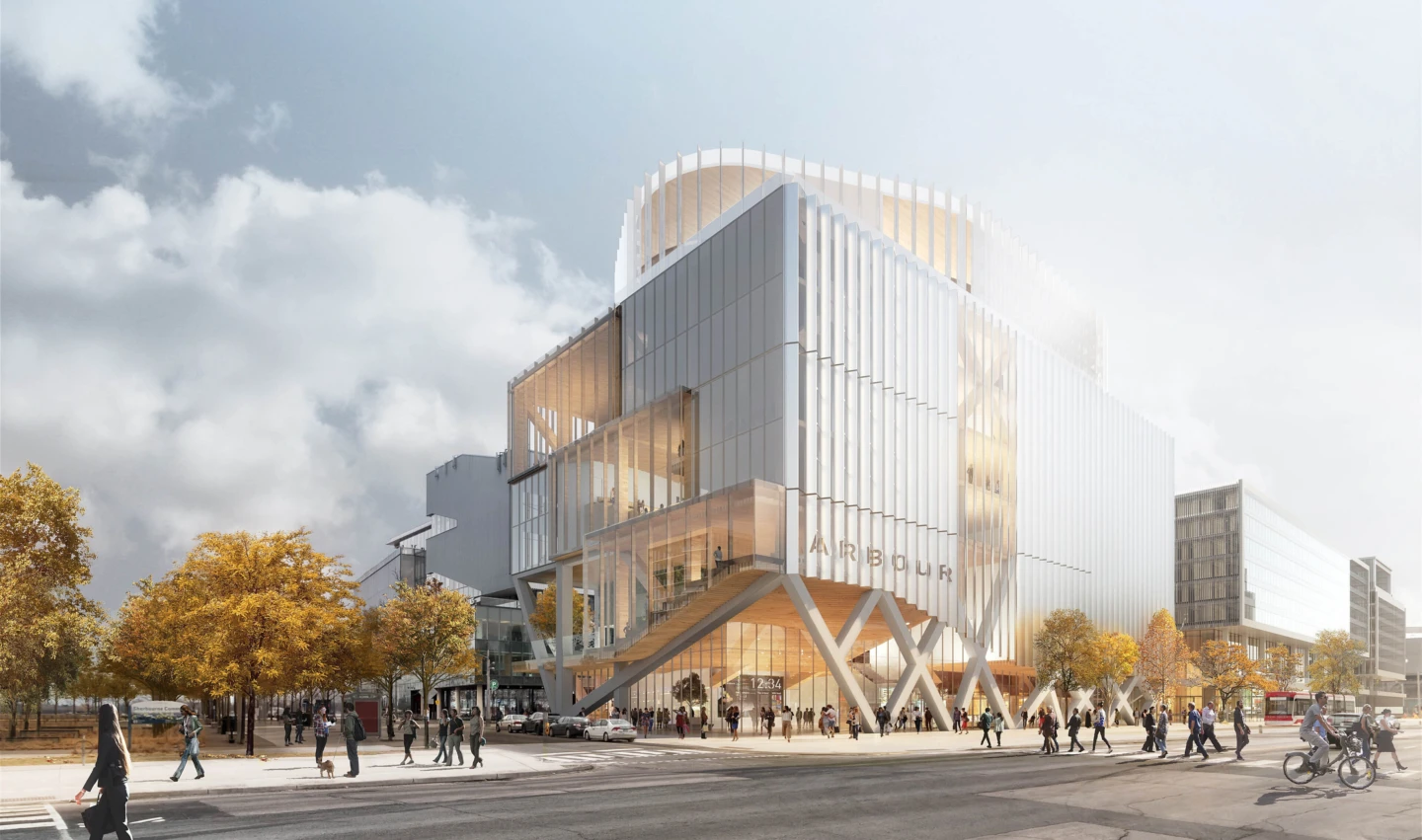
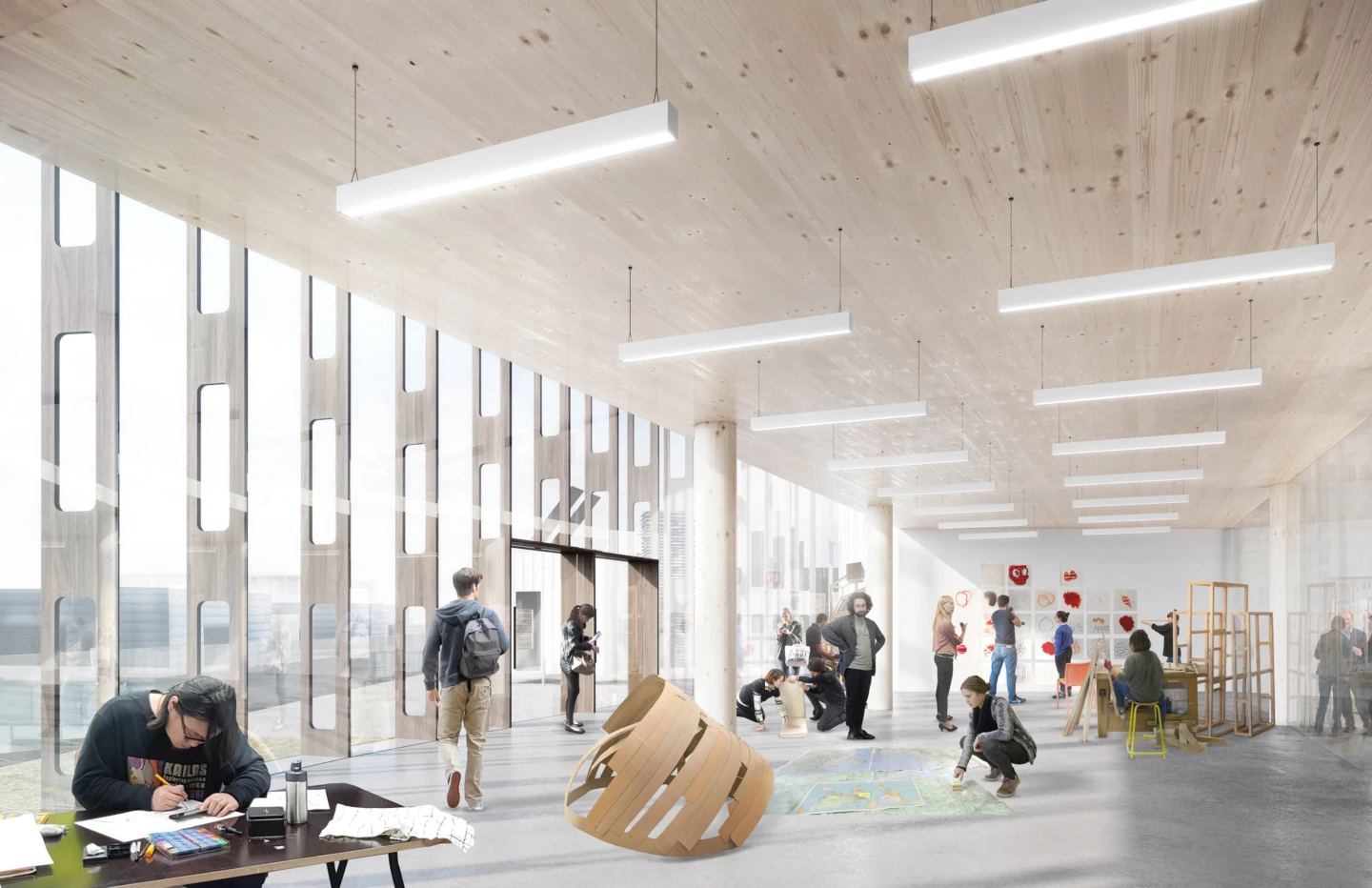
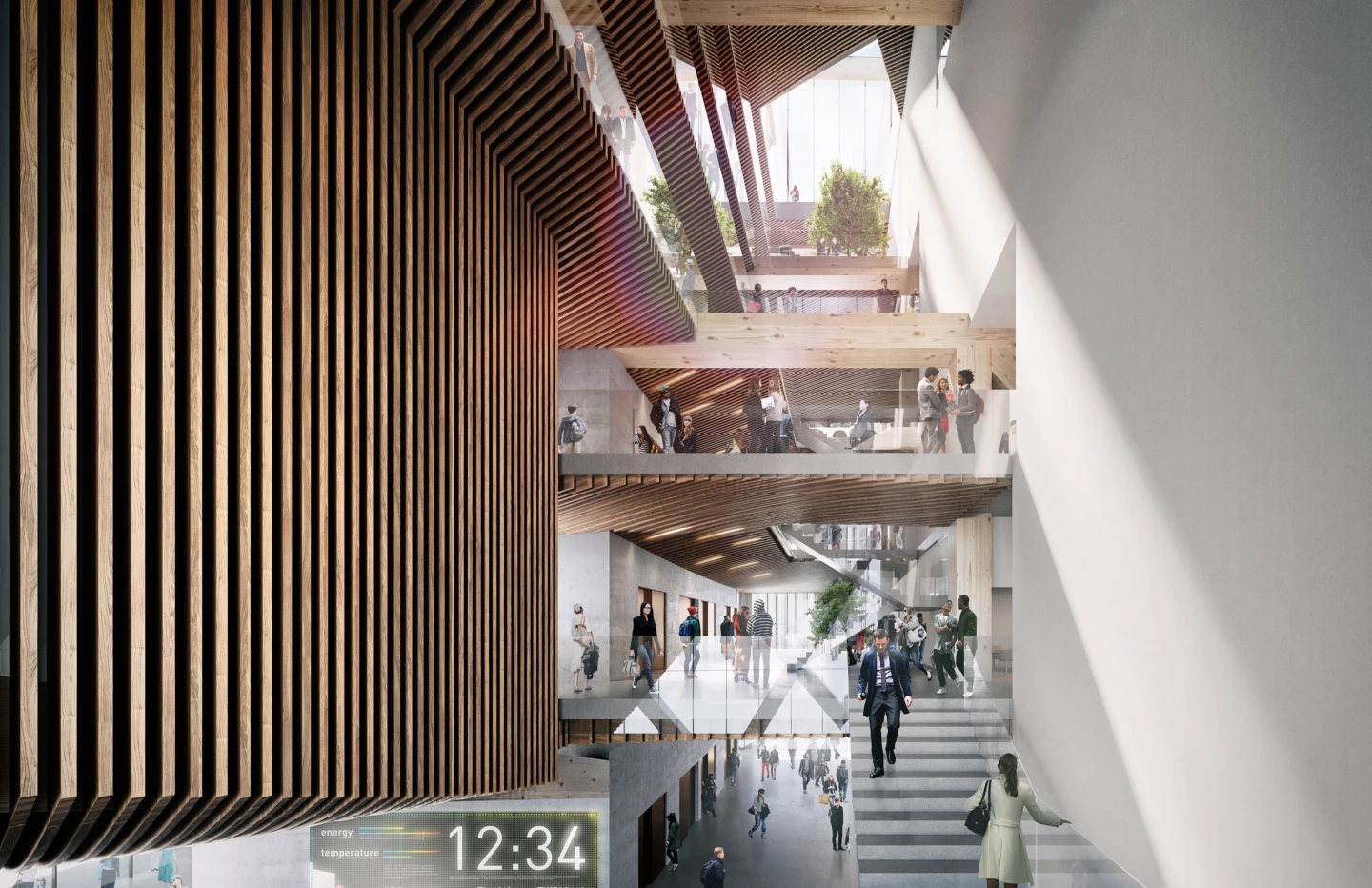
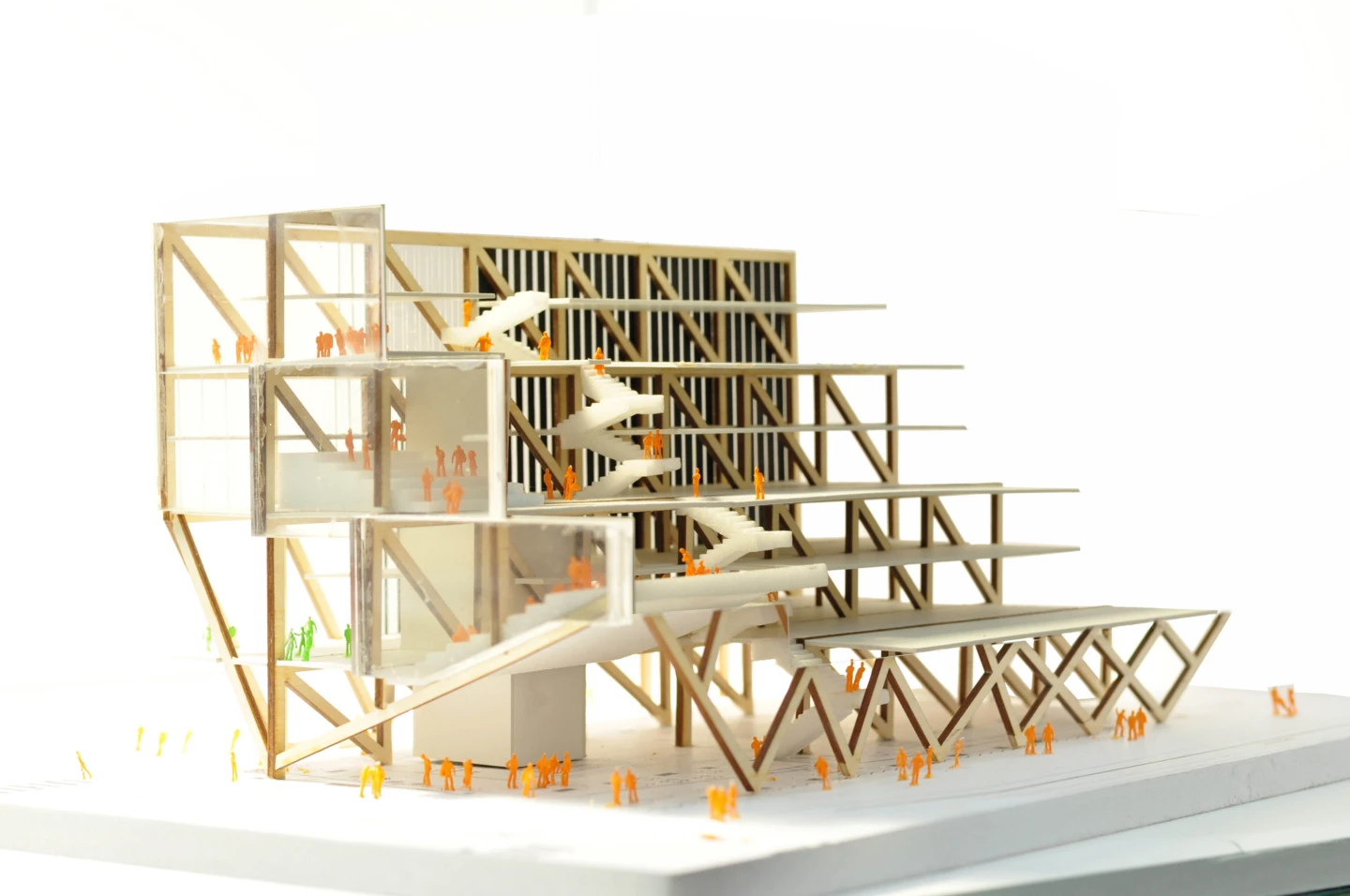
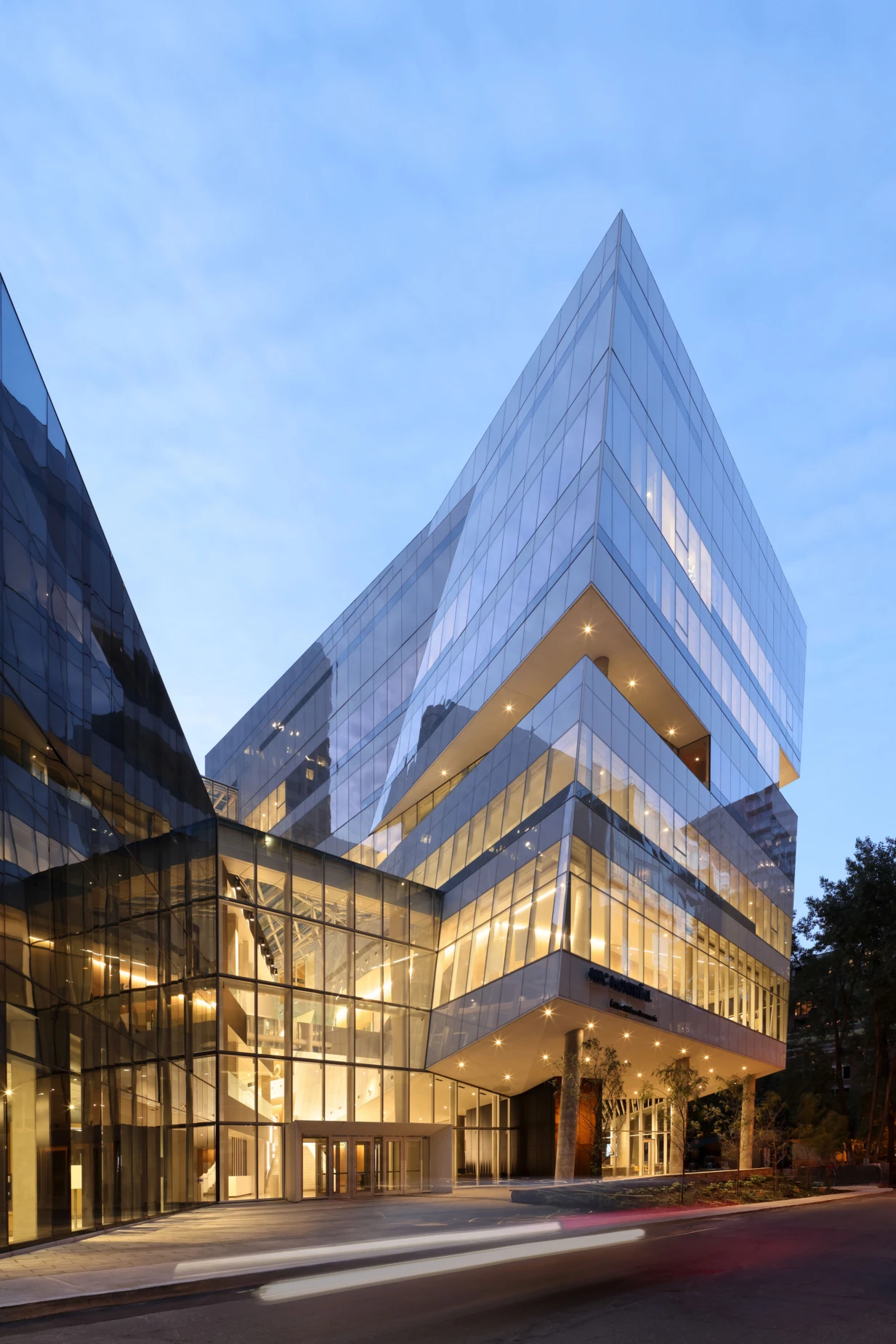
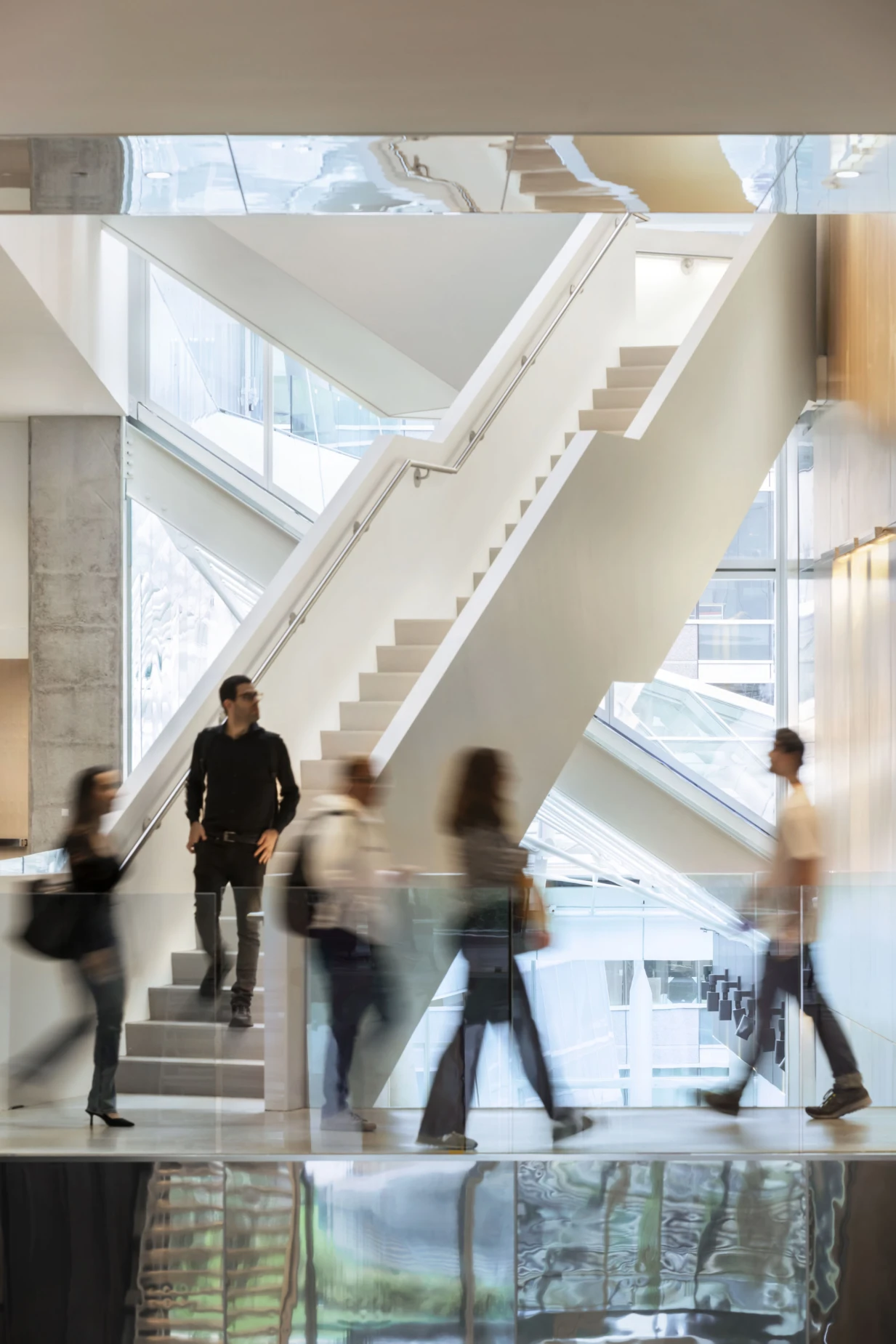
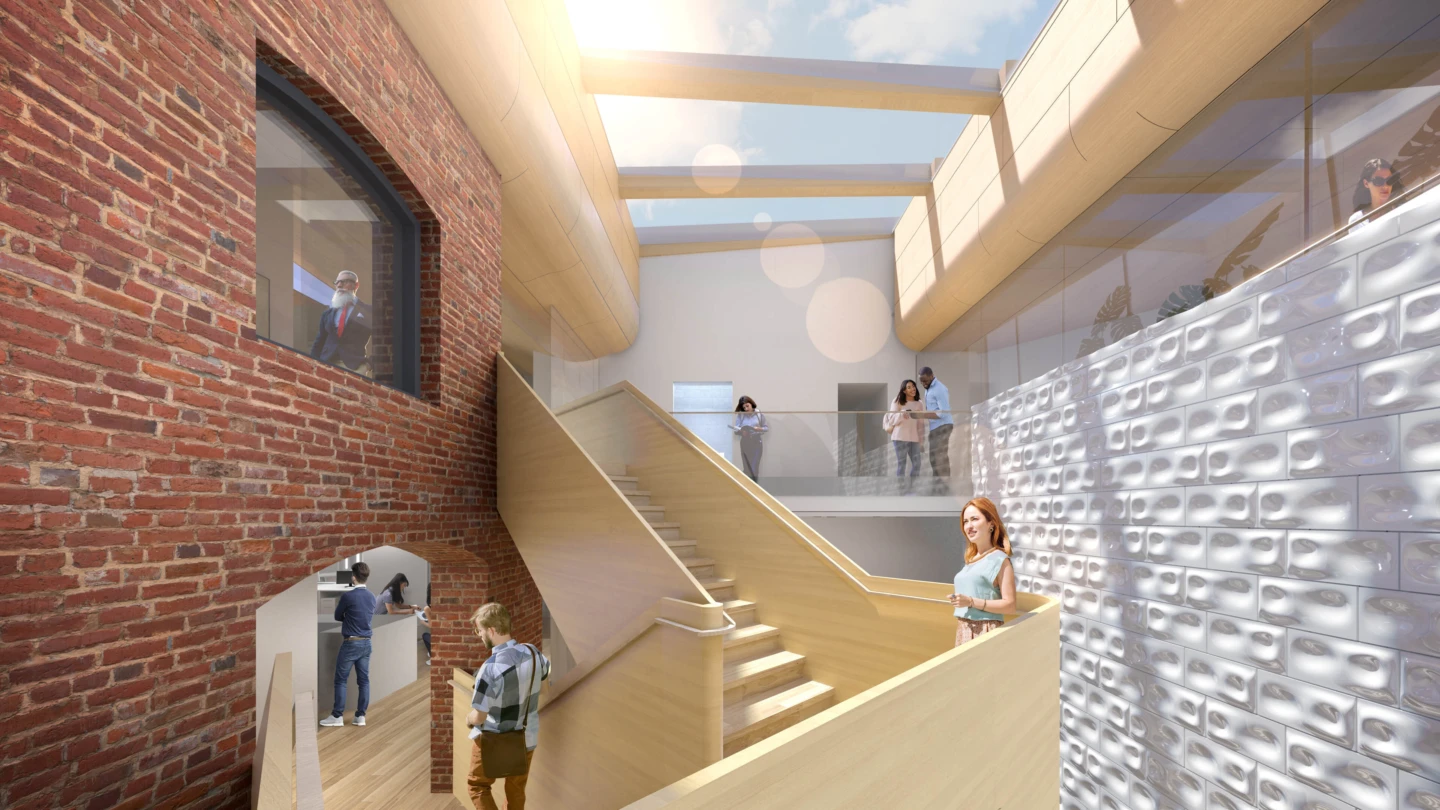
As the shores of Lake Ontario undergo deindustrialization, The Arbour aims to set a new standard for future institutional buildings. The project reconciles the urban and natural grids to boldly meet the ambitions of the design brief and the constraints of the site. The architectural composition is organized to maximize exposure to natural light. A diagonal cuts through the building from top to bottom, creating a full-height atrium that floods the heart of the structure with light while extending the public realm.

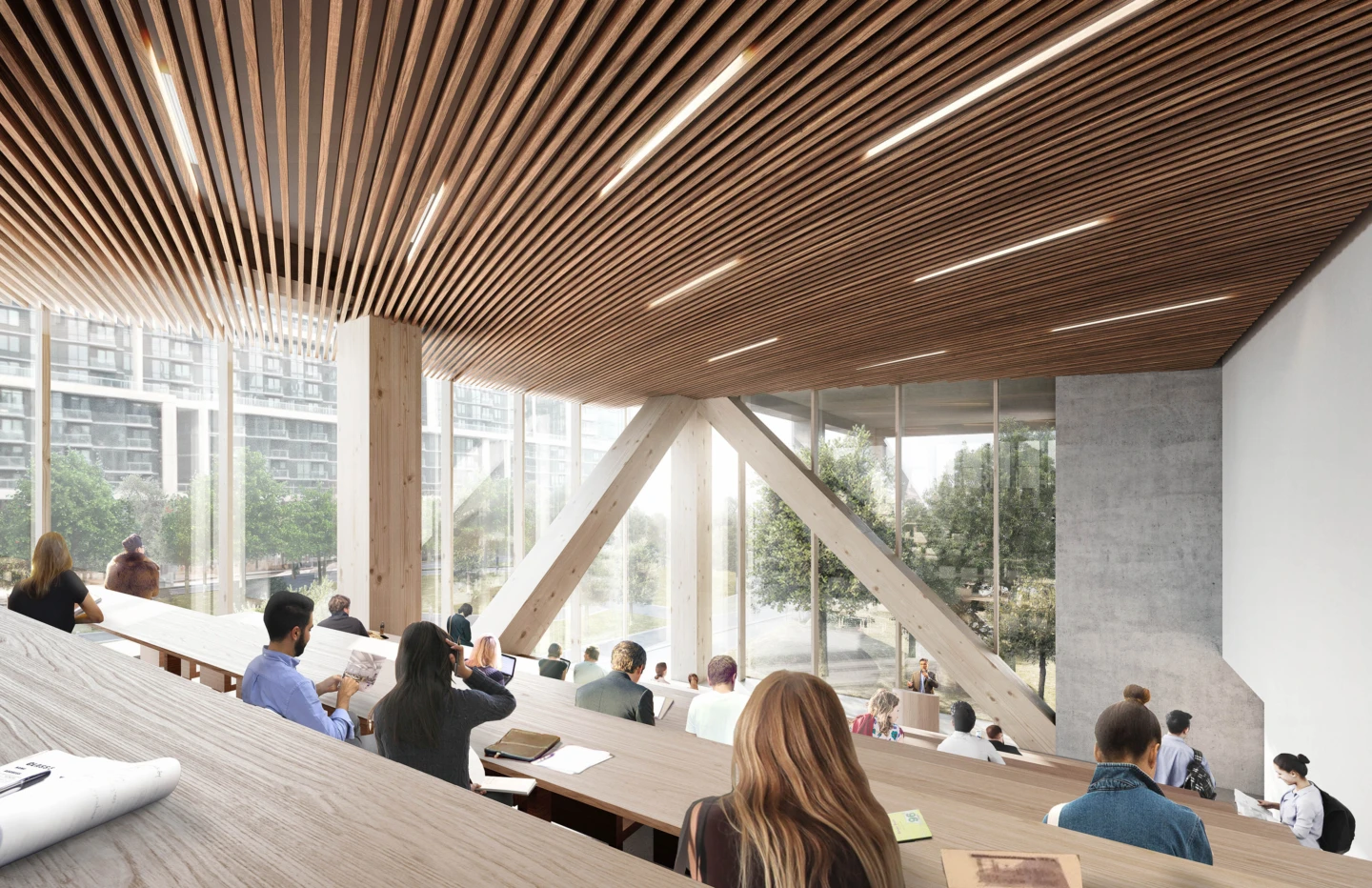

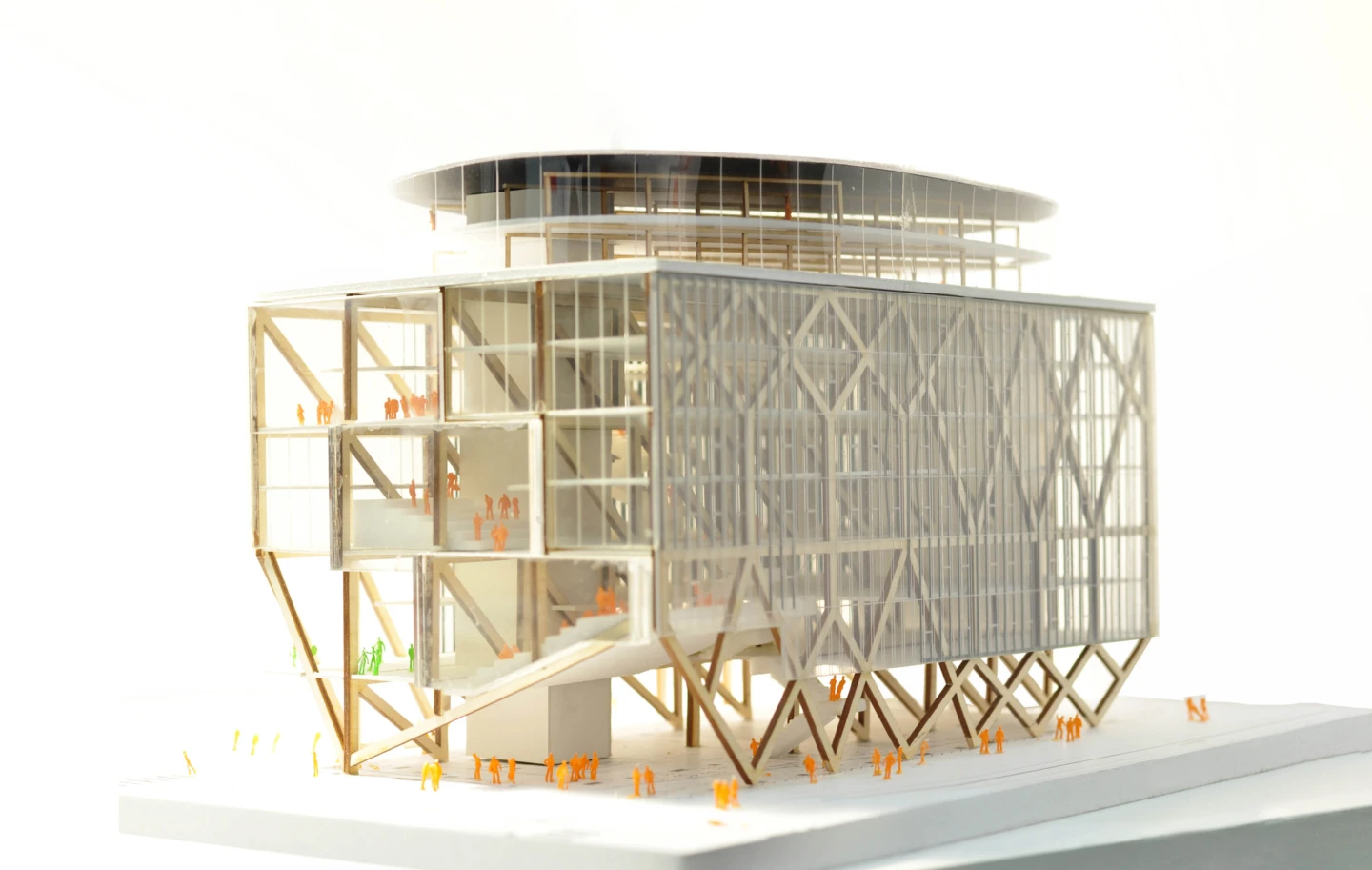
Around the atrium, an innovative staggered lattice system organizes community, learning, and research spaces in an efficient and adaptable manner. By transitioning from two-dimensional to three-dimensional flexibility, the lattices generate large, resilient spaces—made possible through mass timber construction.

 The central atrium is connected to a bridge, extending the circulation network of the Daphne Cockwell building and reinforcing the concept of a vertical campus. To better serve the community and accommodate large gatherings, auditoriums are located on the lower levels, with the largest one at ground level. Classrooms and laboratories are positioned to the west of the central atrium, taking advantage of column-free spans. The adjacent entrance, facing Sherbourne Common, contributes to these various configurations and can open onto the park, allowing The Arbour to create a true space for knowledge-sharing with the community.

The design of the envelope and roof is guided by the sun’s path, responding to changes in weather and construction programming without overheating the building: the façade transforms opacity into capacity. The roof system is the primary energy generator, composed of 65% PVT panels within a modular energy system that adapts to climate change. The second energy-producing element is the southwest solar façade: it dedicates 100% of the southern surface to energy generation while framing views of the park.

Architecture

Provencher_Roy / Turner Fleischer

Additional Collaborators

Arup