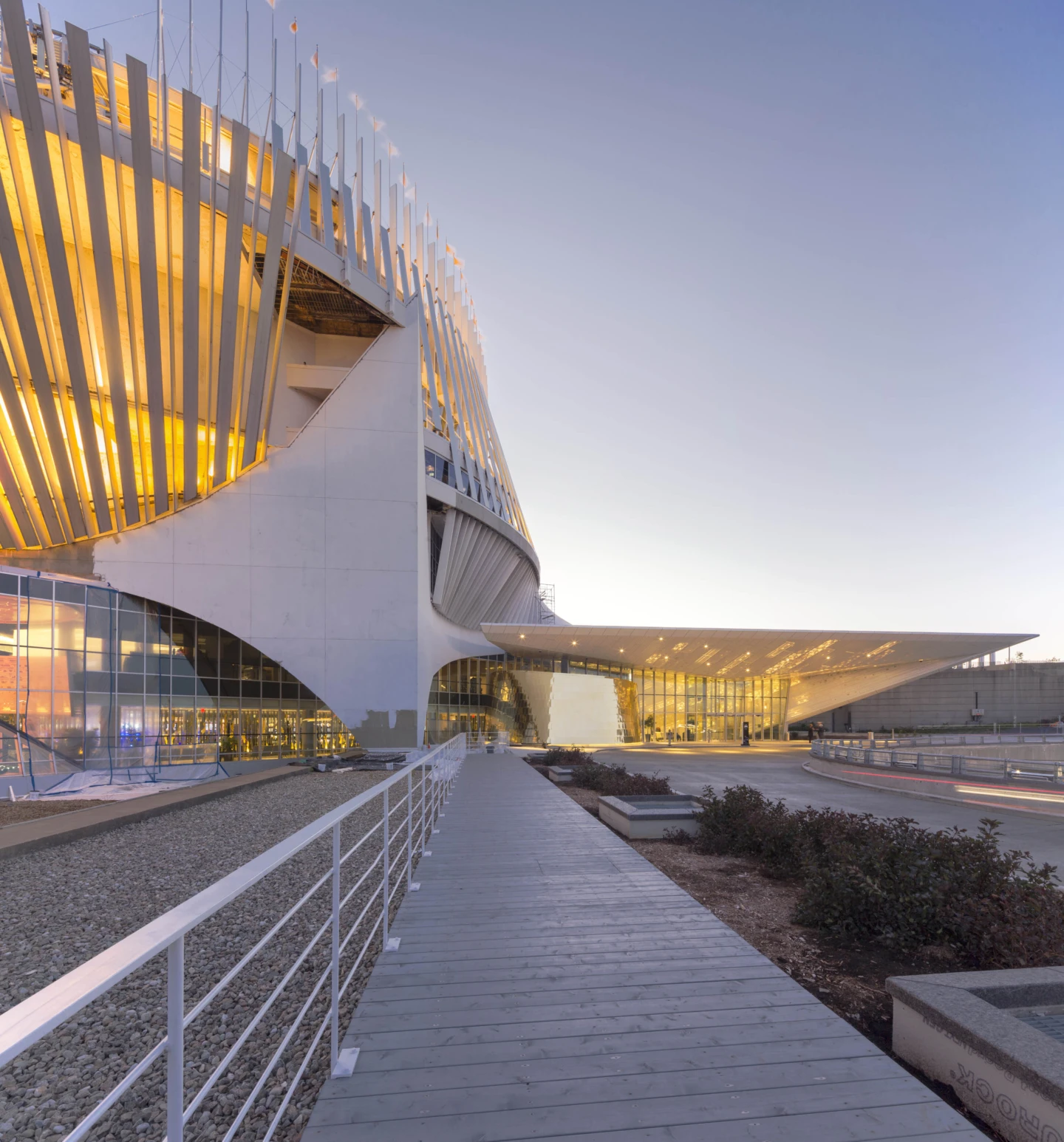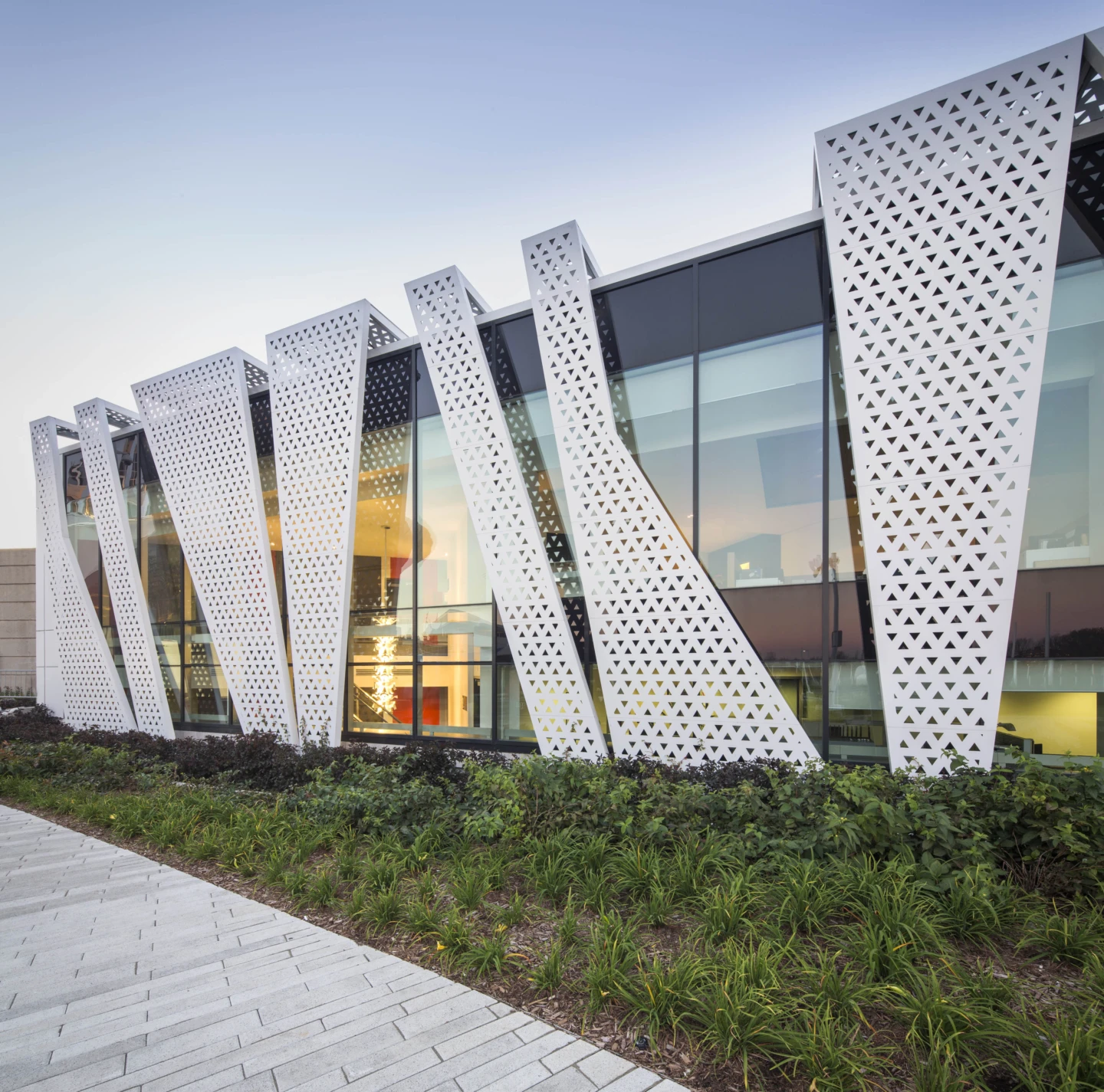
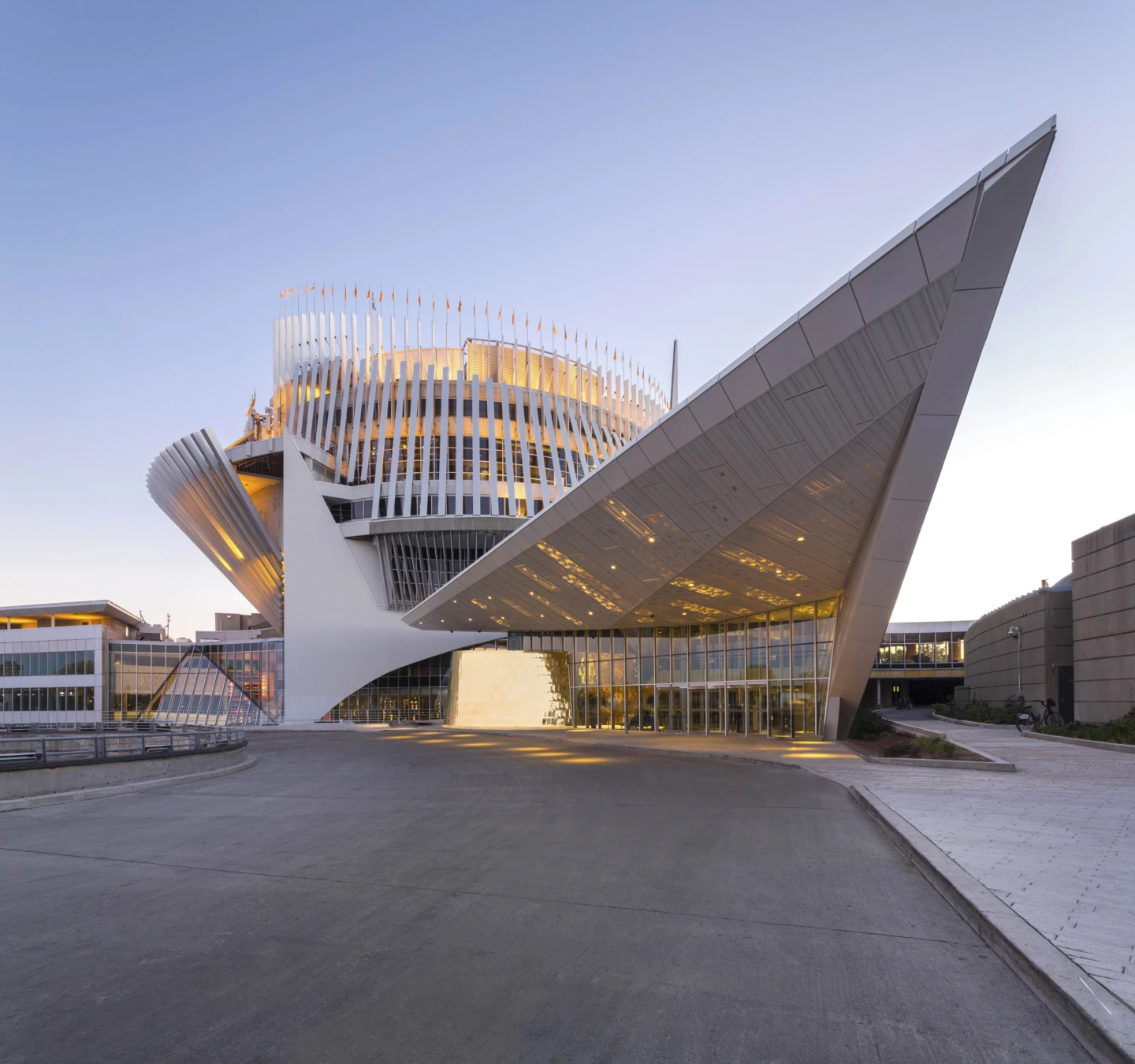
Exterior of the Montréal Casino
  • Country Canada
  • City Montréal
  • Customer Casiloc
  • Surface area 45,000 m²
  • Year 1993, 2013

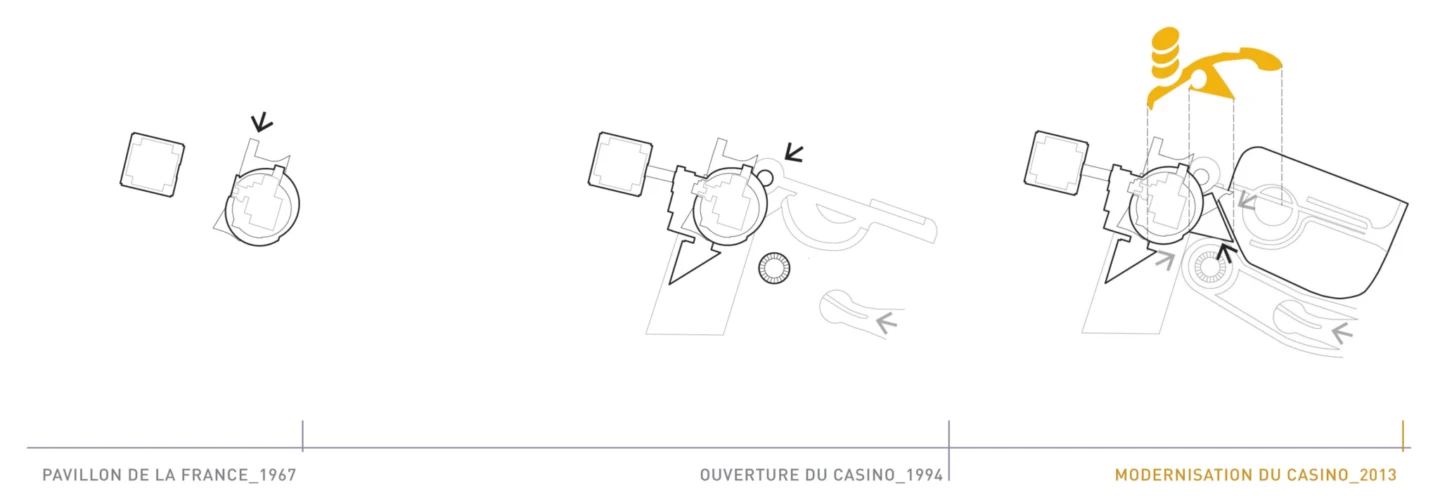
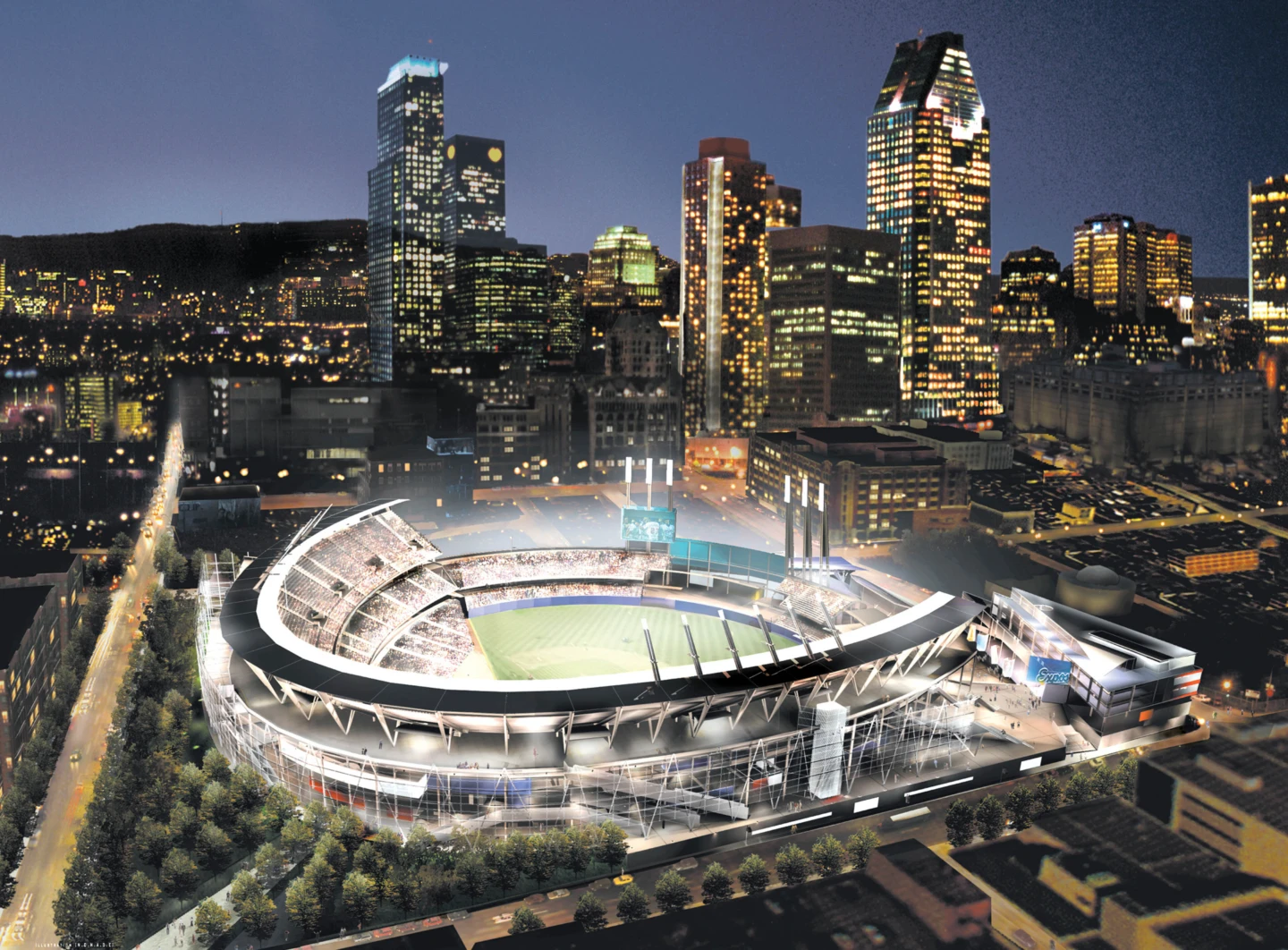
The Montreal Casino project was launched in 1993 to establish Québec’s first casino in the former France Pavilion, originally built for the 1967 World Exposition.

Completed in just ten months, this initial phase was followed by successive expansions. In 1996, the former Québec Pavilion was annexed to accommodate the casino's growing success. Twenty years later, a major modernization project was undertaken to improve circulation and address various functional challenges.
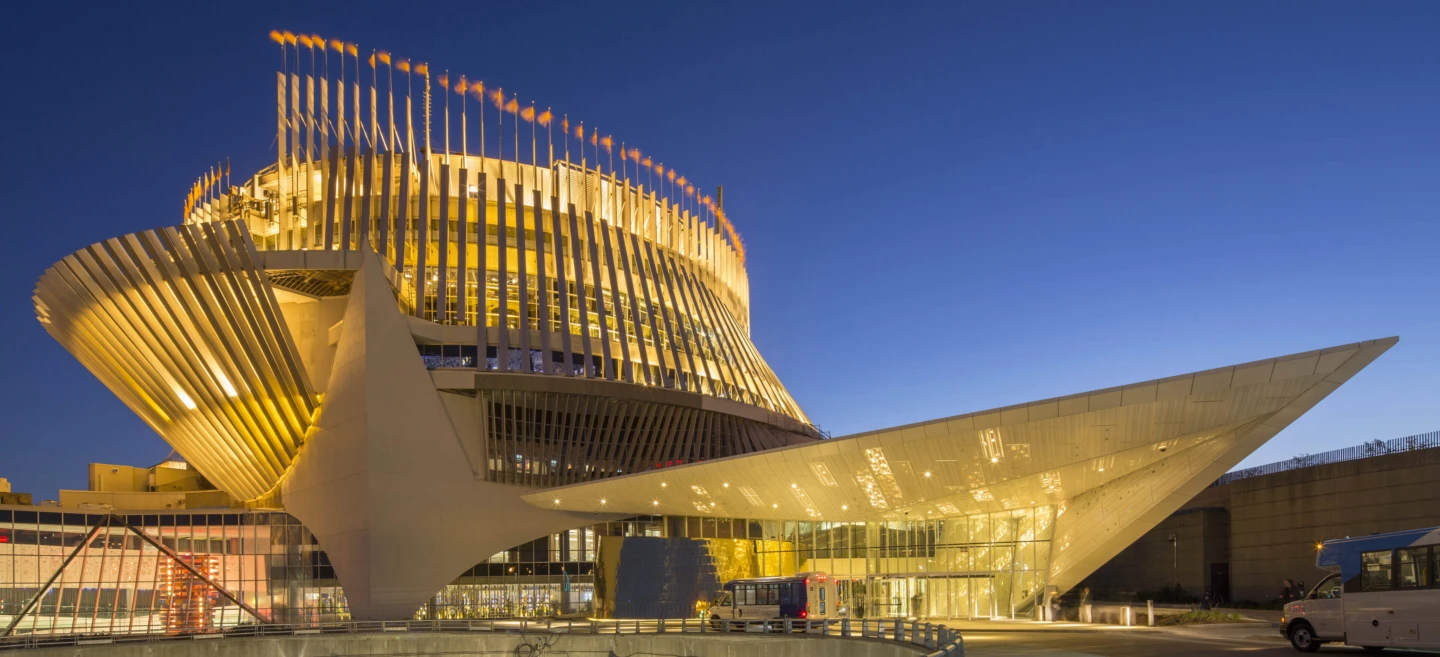
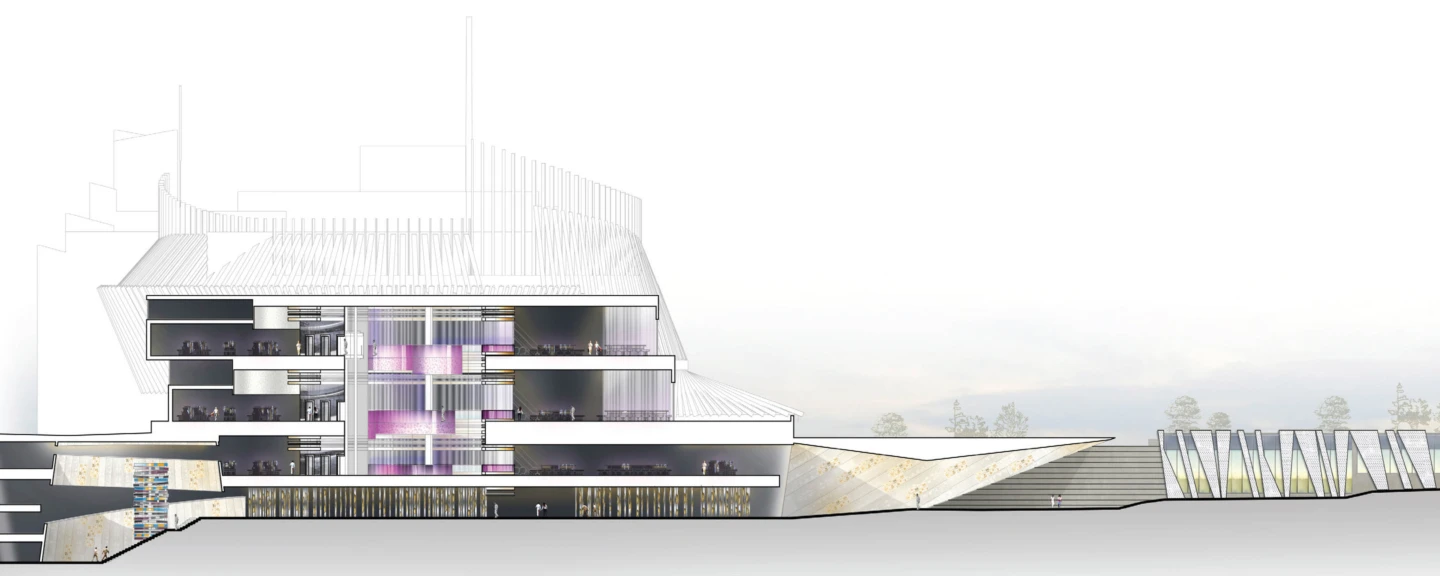
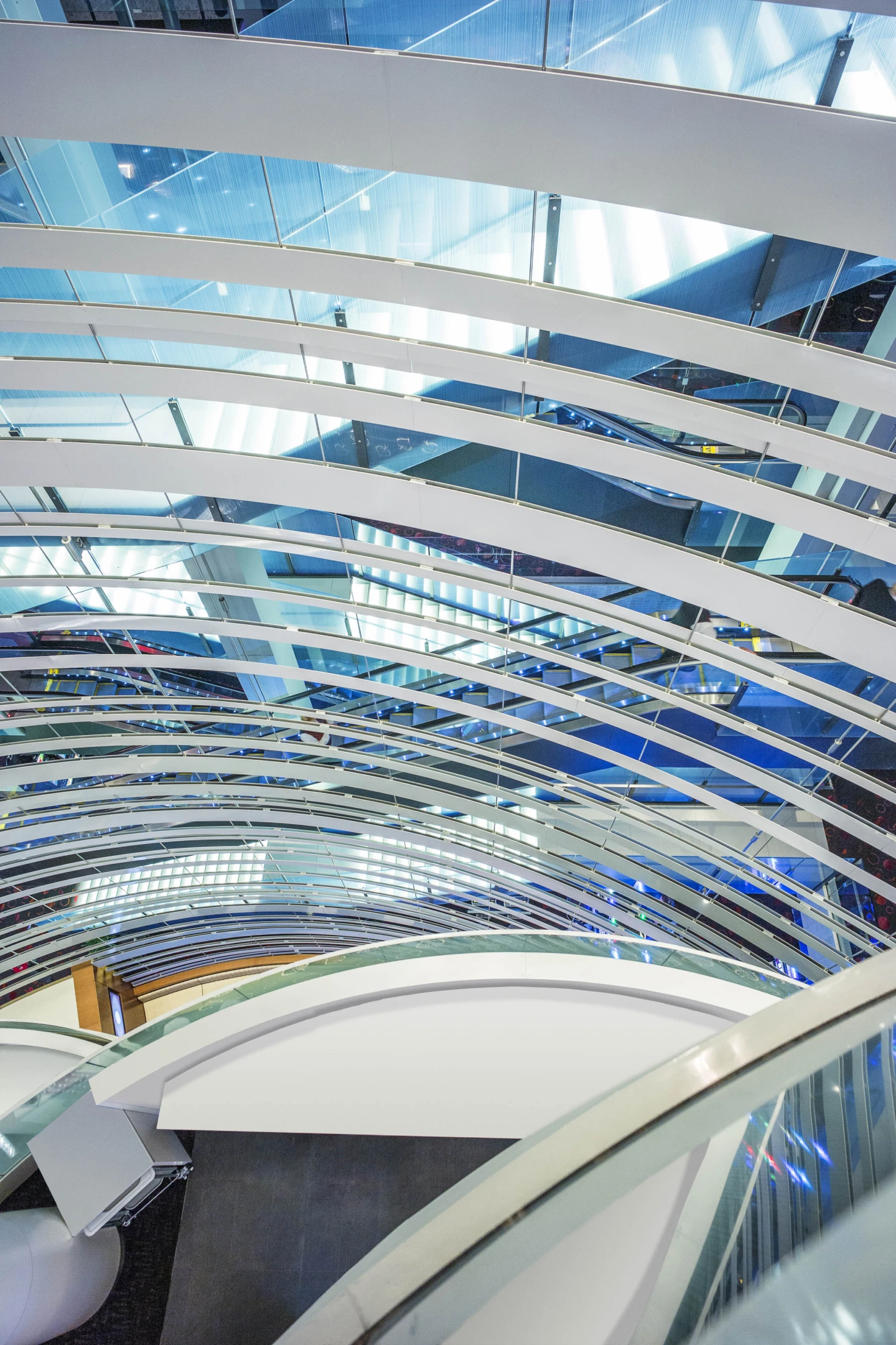
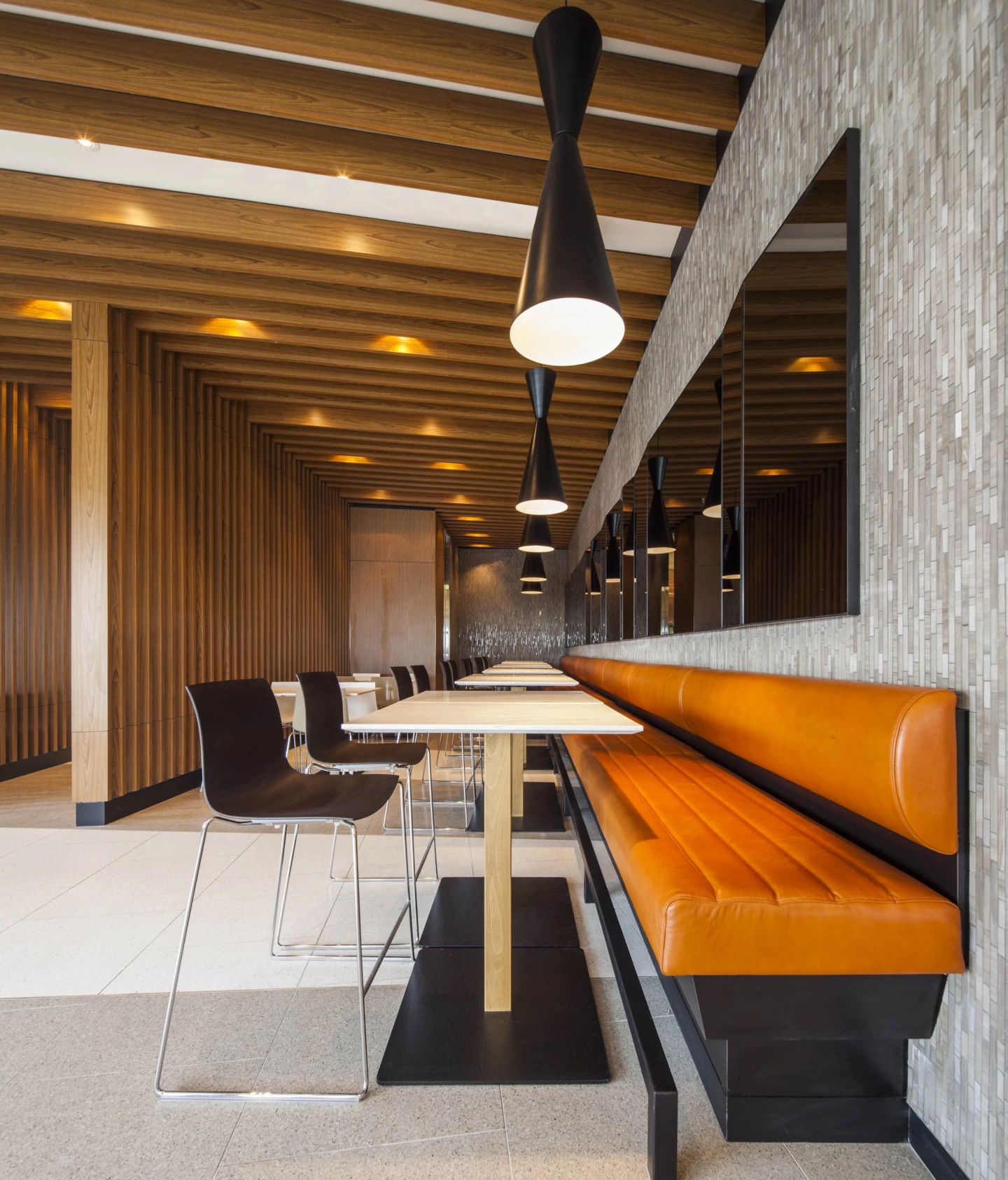
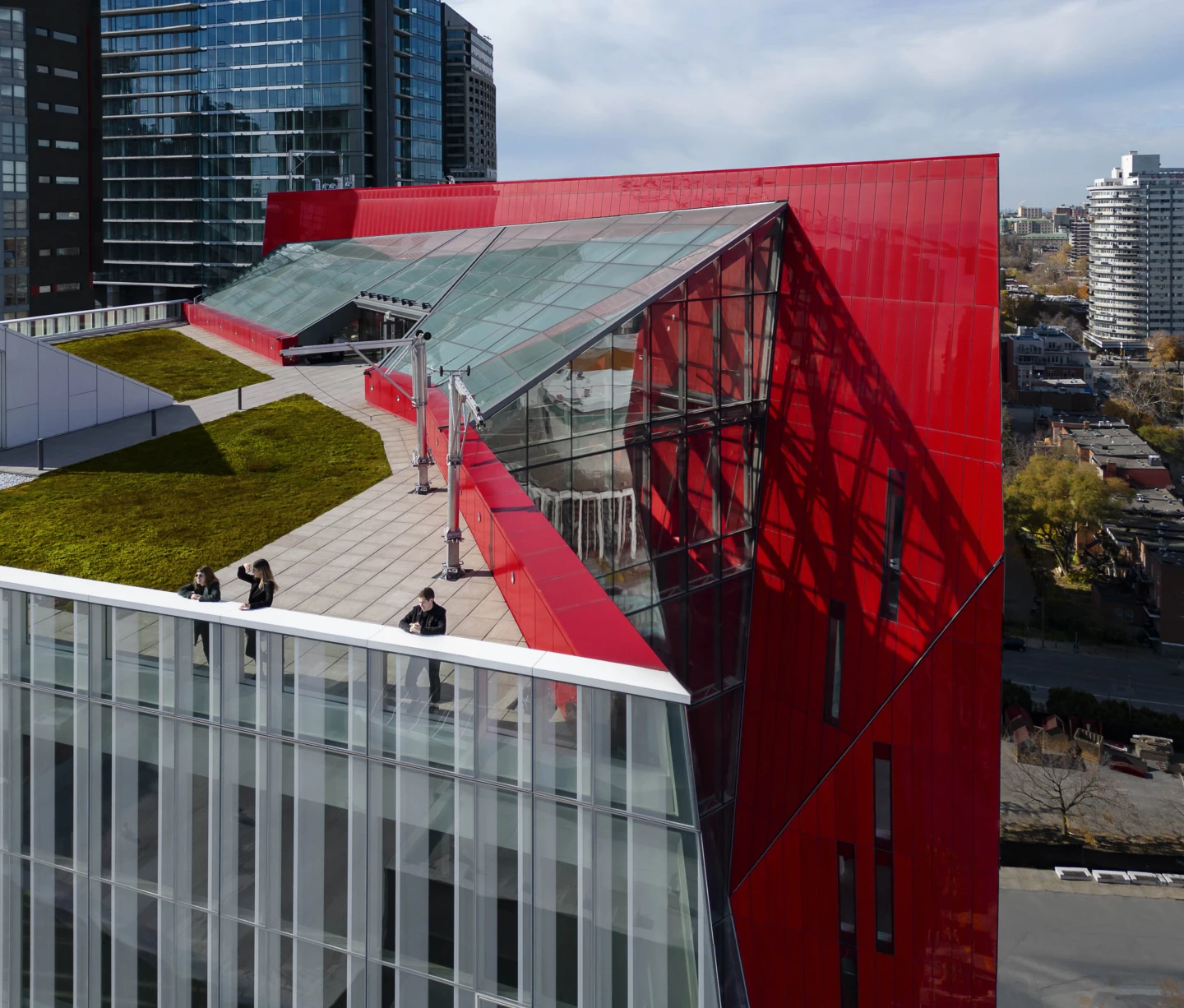
Spanning four years, Phase II clarified the building’s interior and exterior pathways, enhanced gaming, relaxation, and dining spaces, and introduced a cohesive thematic design. Architecturally, the project respects the original character and materials of the former France Pavilion while incorporating contemporary volumes and façades made from light-toned noble materials (stone, glass, aluminum).

To maintain the unity of the gaming area, administrative offices were relocated outside the building. Multiple access points were replaced by a grand new entrance, which aligns with the original architectural language and centralizes reception, cloakroom, and security services. Vehicle and pedestrian circulation was streamlined to converge at a single access point, and new outdoor spaces were created to enhance the public use of Jean-Drapeau Park.

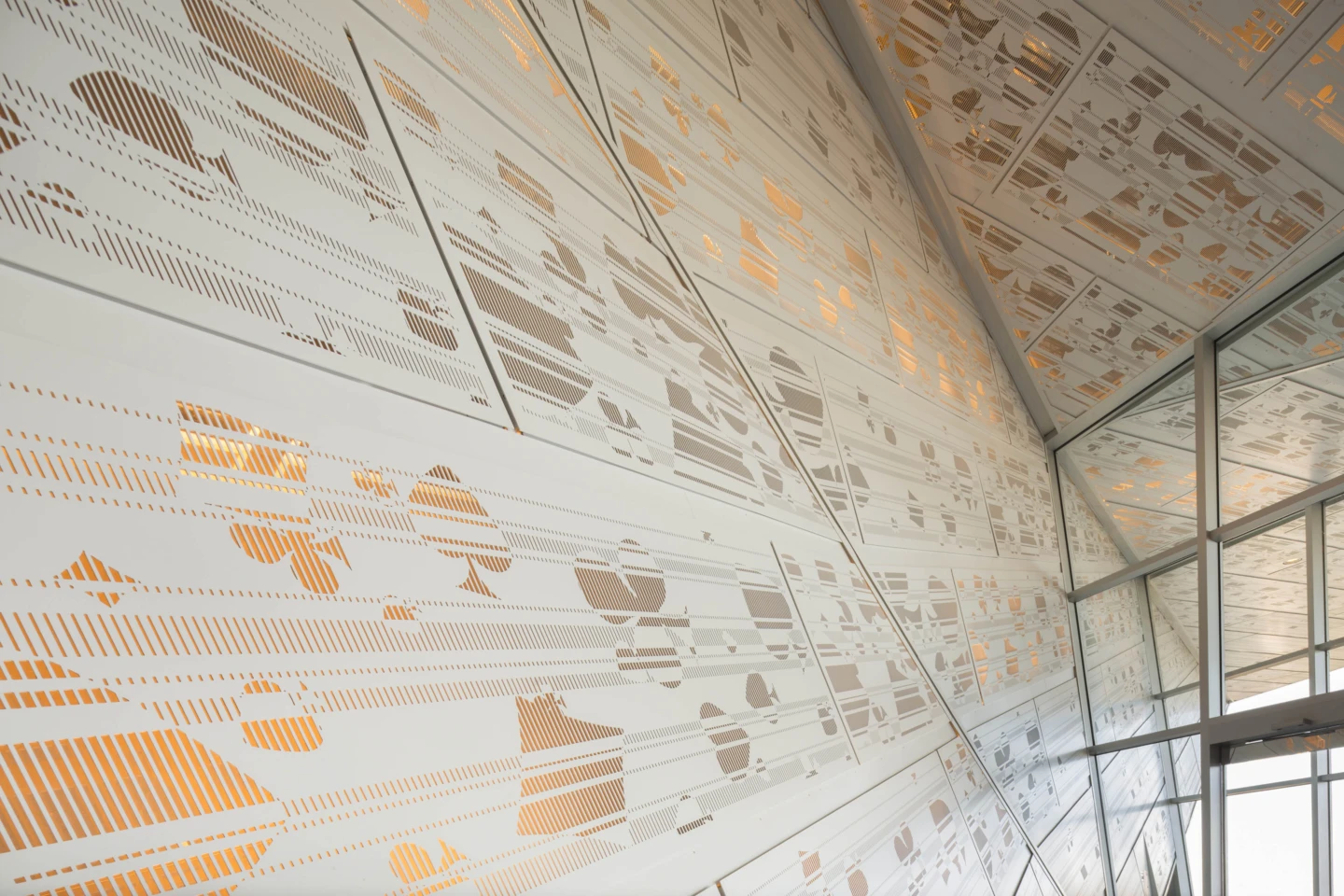
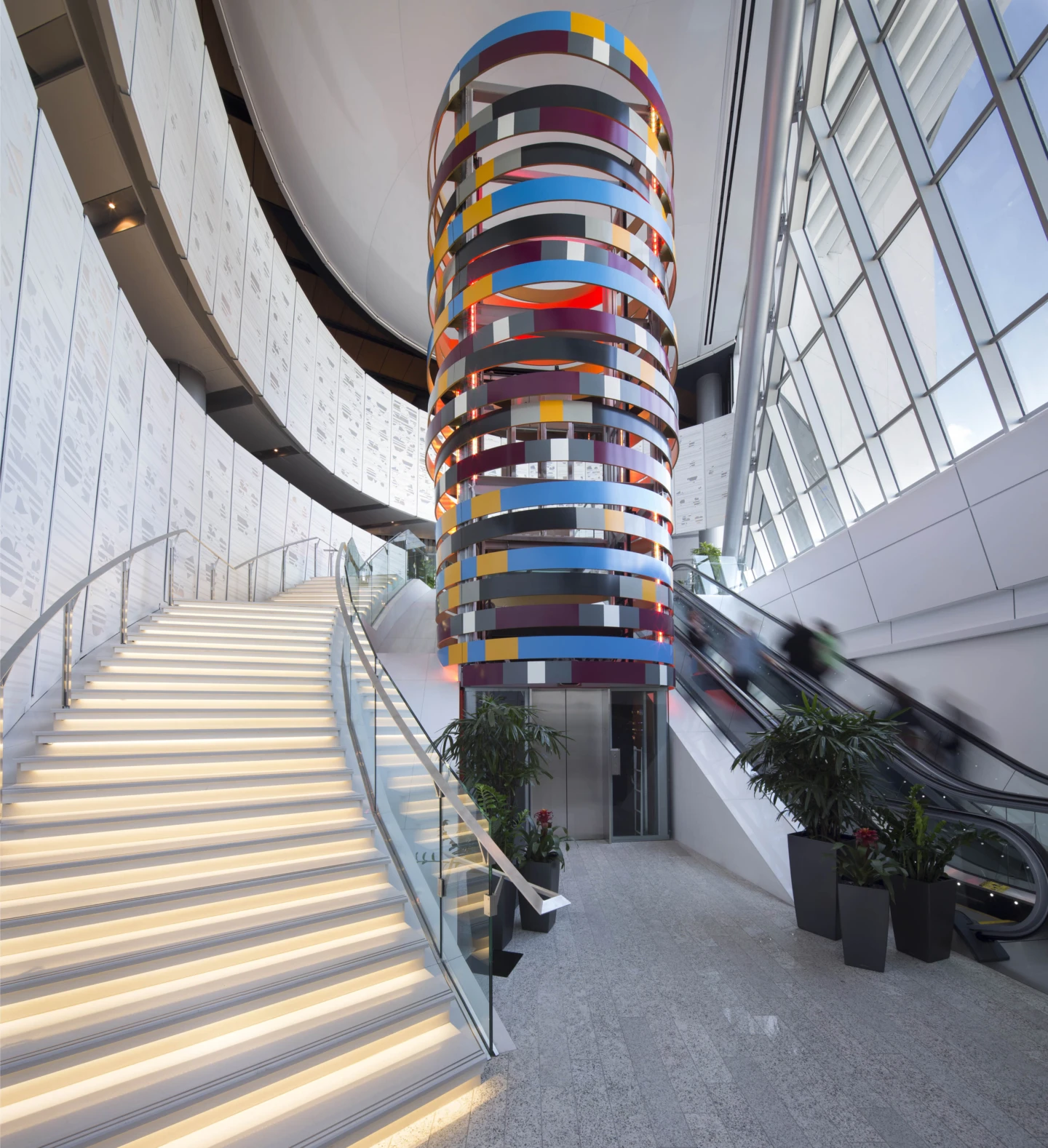
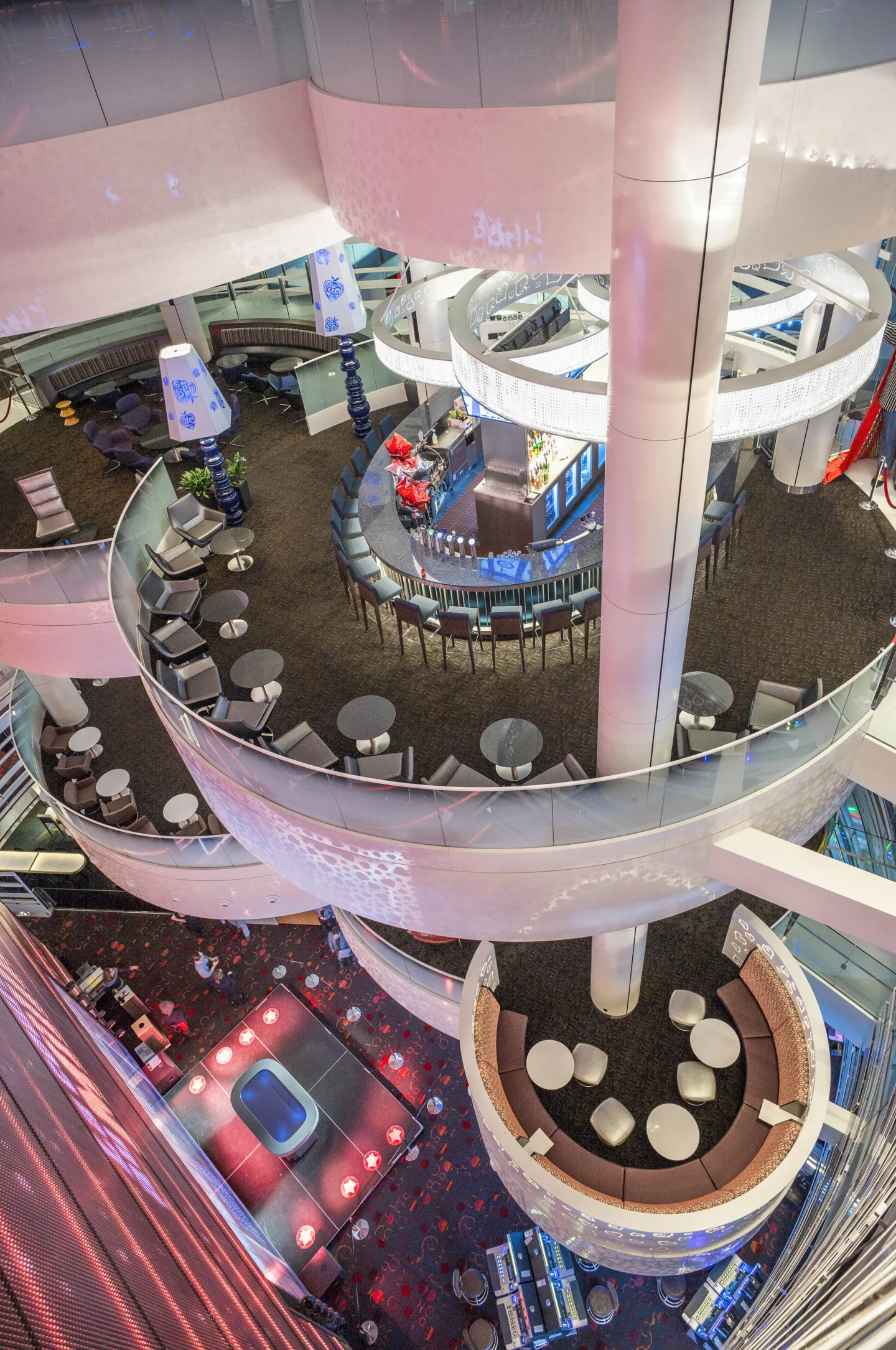
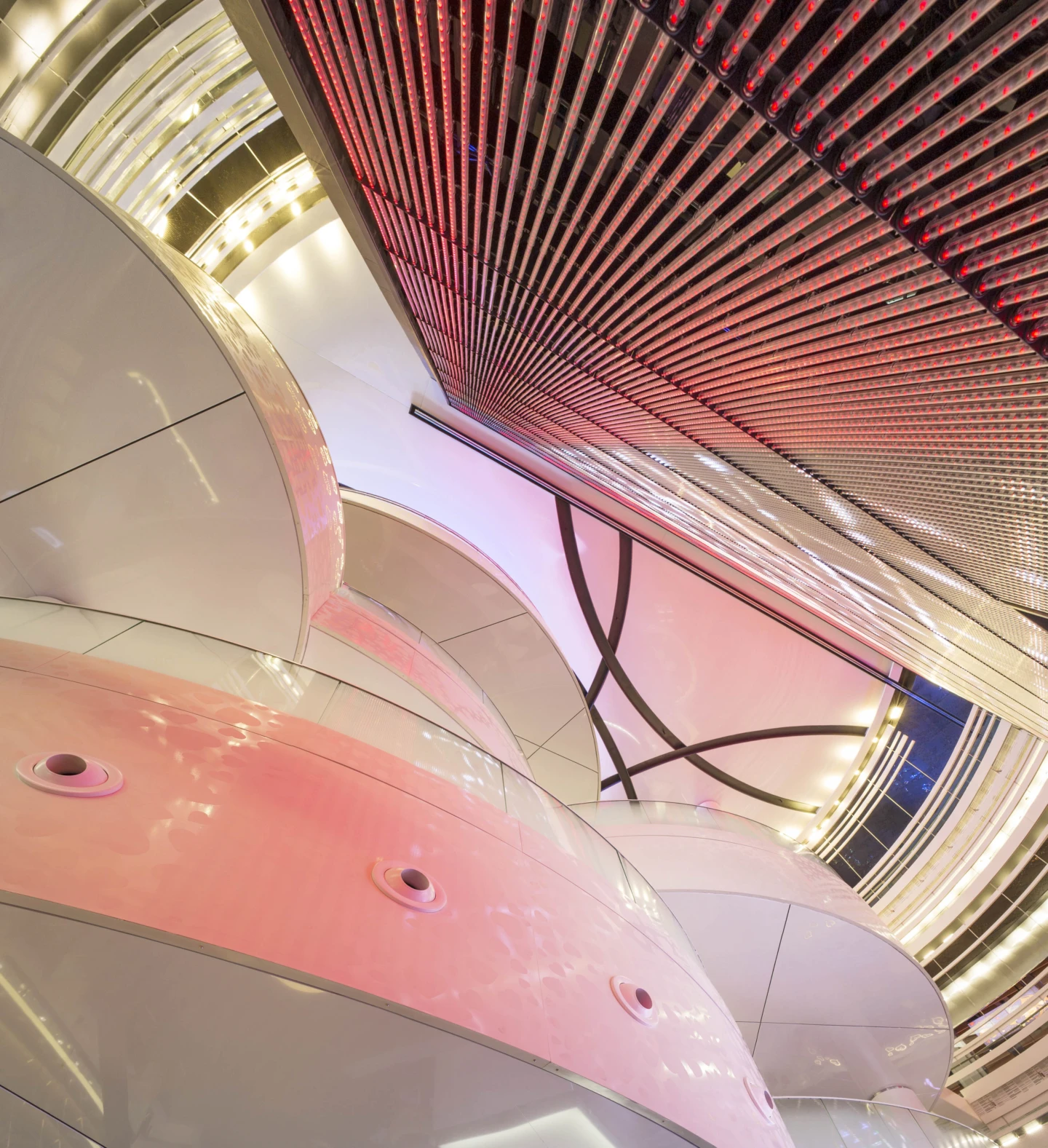
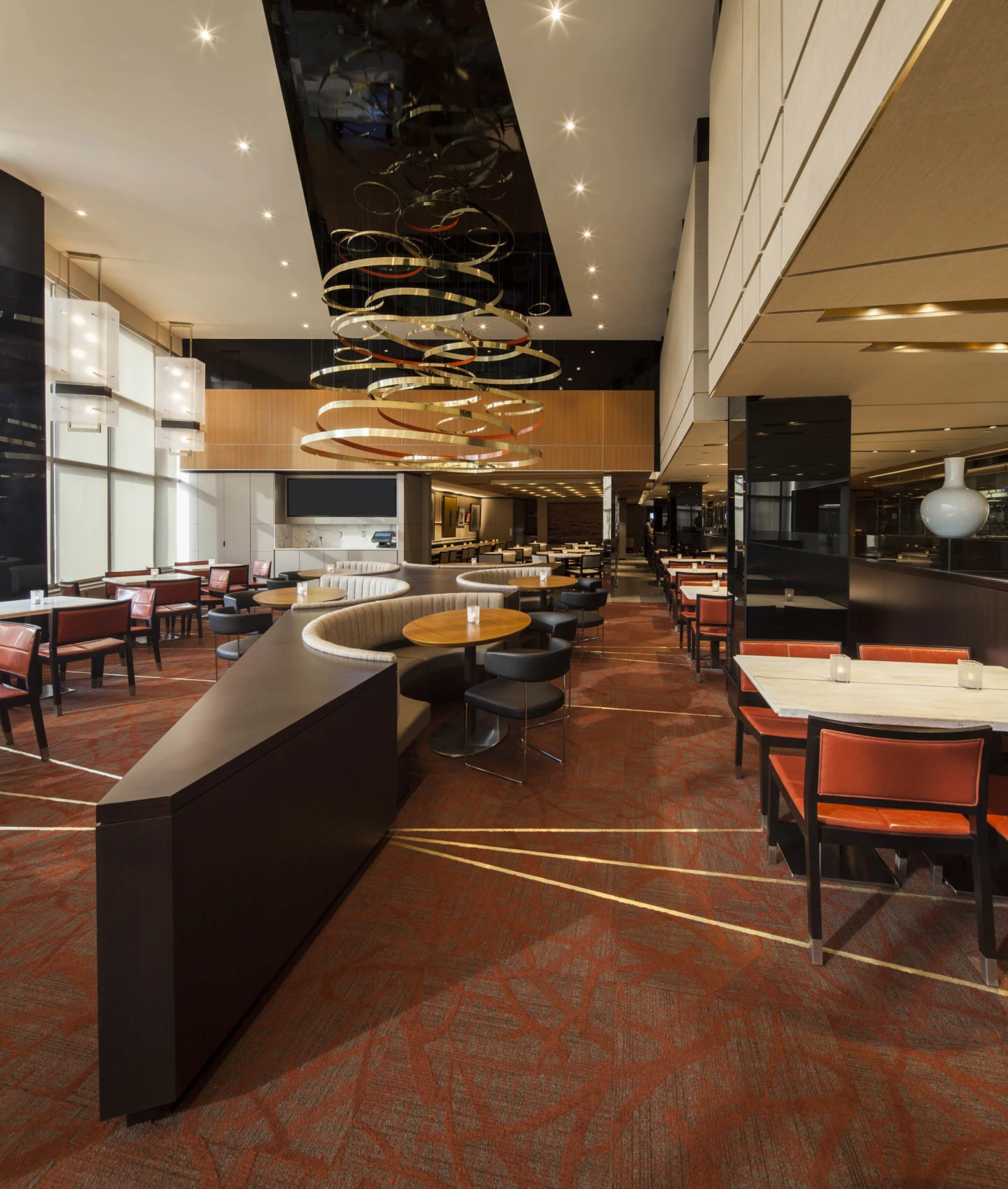
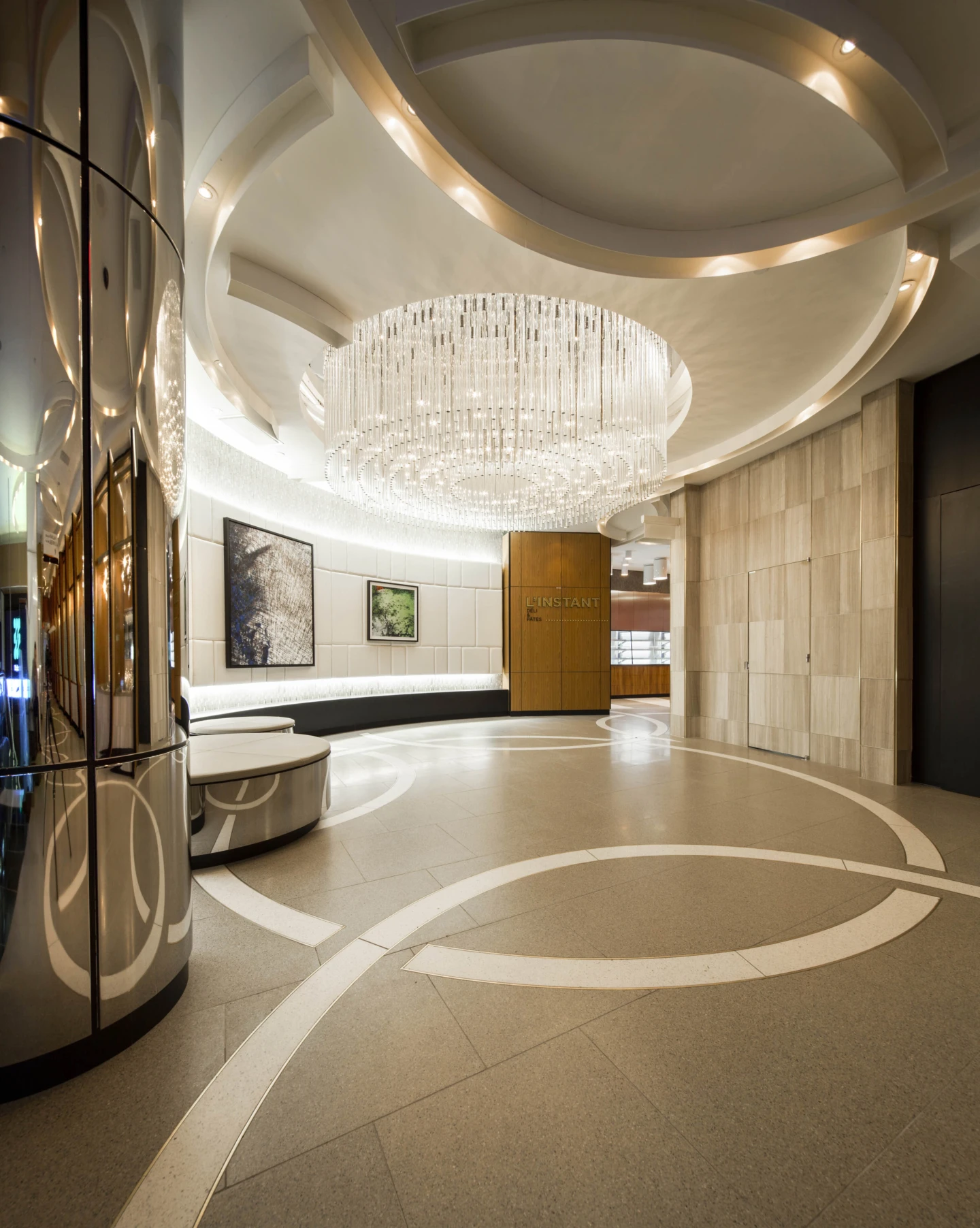
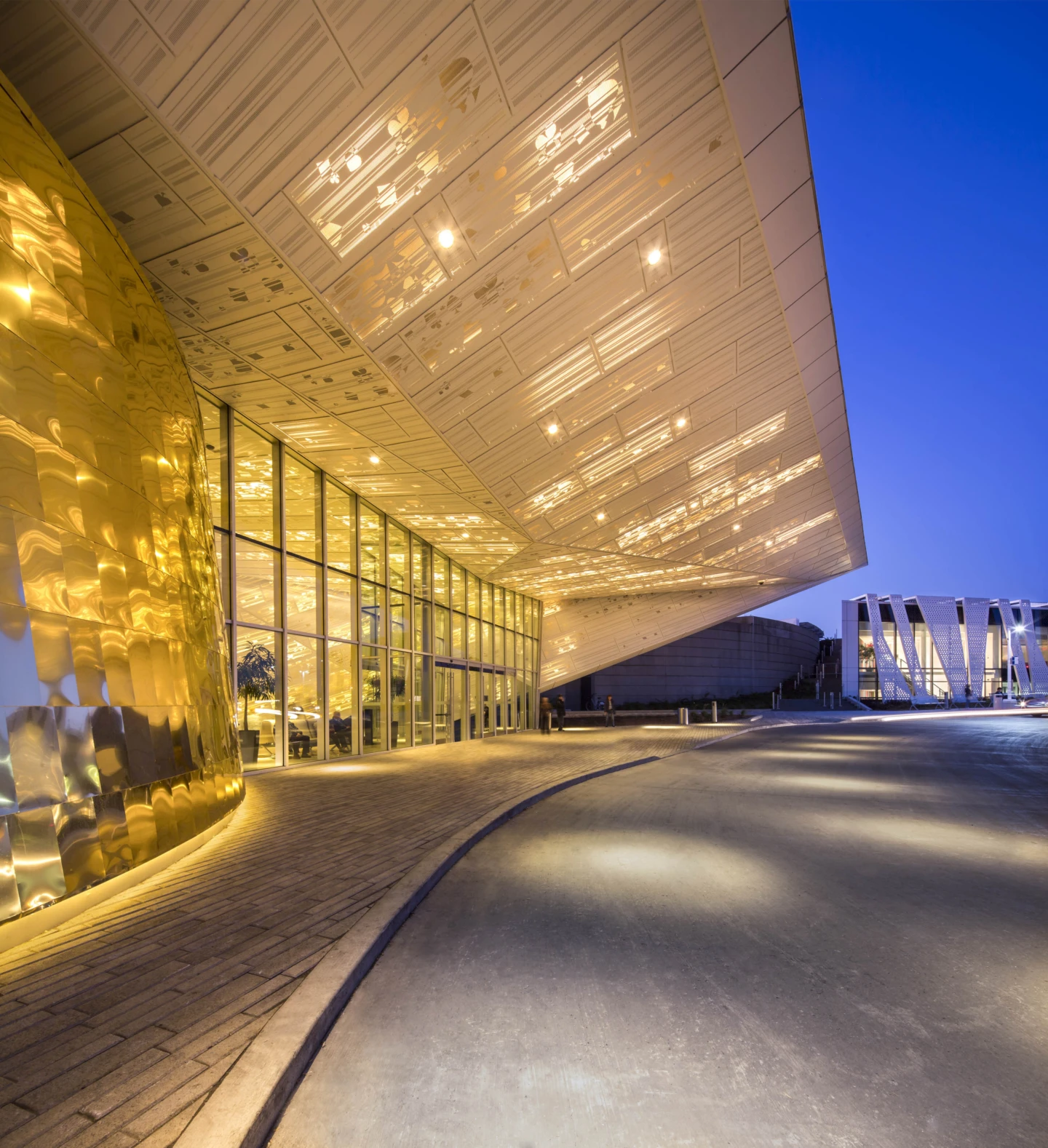
Designed around the themes of gaming, light, and Montréal identity, the interior spaces are imbued with a distinct character. Each of the four gaming floors is marked by a playing card suit color, subtly displayed through perforated aluminum panels. Giant mannequins representing card figures (Queen of Hearts, Joker, etc.) welcome visitors at the entrance of relaxation areas, while oversized tokens, suspended or embedded in the flooring, reinforce the gaming theme. Light is omnipresent, emanating from numerous fixtures and filtering through backlit walls.

Unusually for such a project, the casino renovation became a true experimental laboratory. A dedicated research and development budget allowed for the testing of new materials, structures, and lighting solutions. This creative approach redefined the traditional functions of space, where walls serve as signage, ambient lighting, and brand identity elements.

In 2016, the Cabaret du Casino was modernized, increasing its capacity to 500 seats and transforming it into a versatile, multi-purpose venue. Its design was aligned with the architectural vocabulary of the renovated pavilions. The perforated wall panels, which create a dazzling effect, echo the grand entrance canopy and partitions surrounding the gaming areas. With its black and gold palette, the space exudes both elegance and theatrical allure.

Architecture

Provencher_Roy / Menkès Schooner Dagenais LeTourneux Architectes / BlazysGerard

Electromechanical

BPA / EXP

Structure

Pasquin Saint-Jean et Associés / Roche

Lighting

Ombrage

Contractor

Pomerleau

Photography

Marc Cramer / Stéphane Groleau

Additional Collaborators

La Pierre Angulaire / Hiteck Ébénisterie