- Country Canada
- City Saint-Jérôme
- Client Centre de services scolaire de la Rivière-du-Nord
- Surface area 7 085 m²
- Year 2024

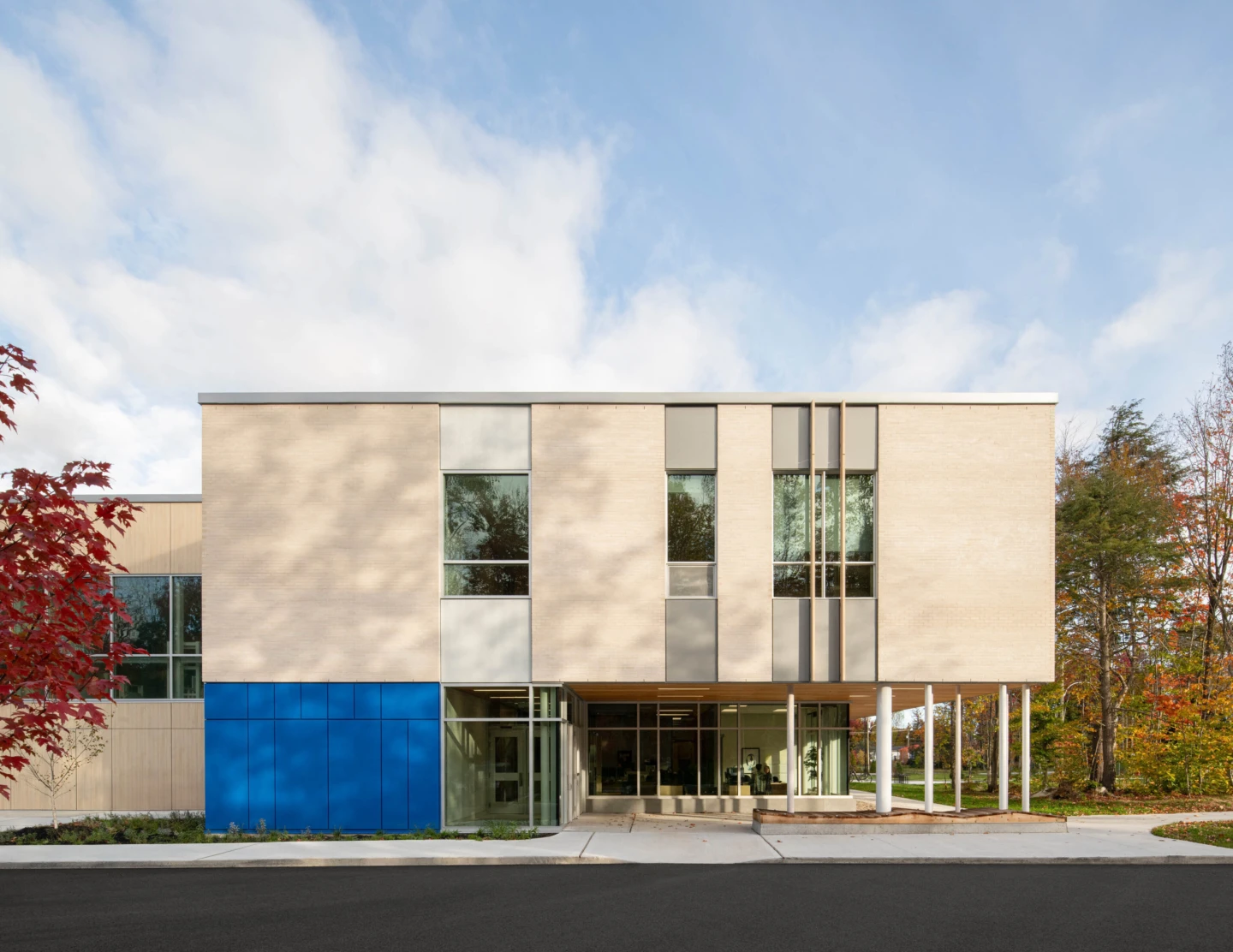
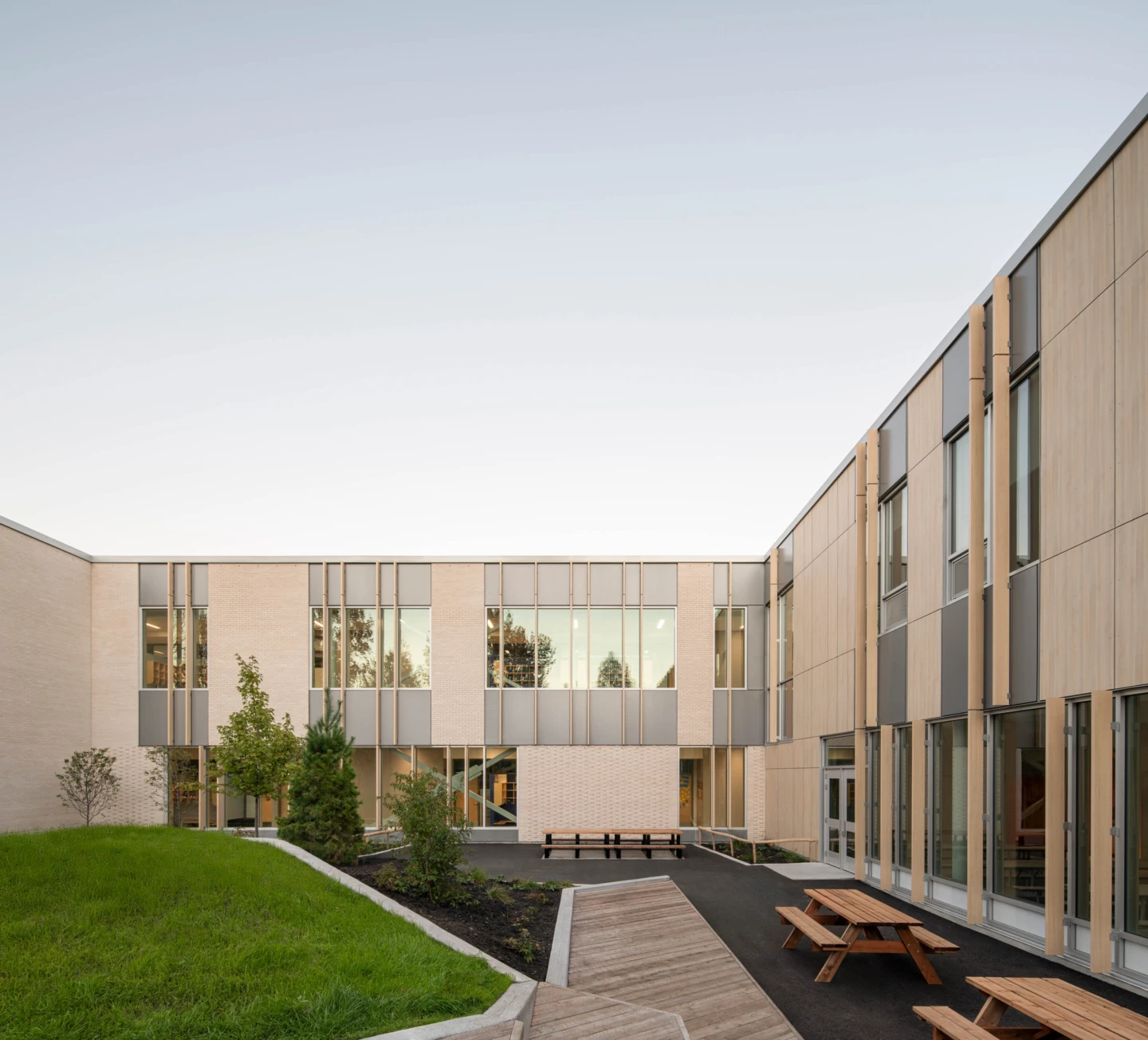
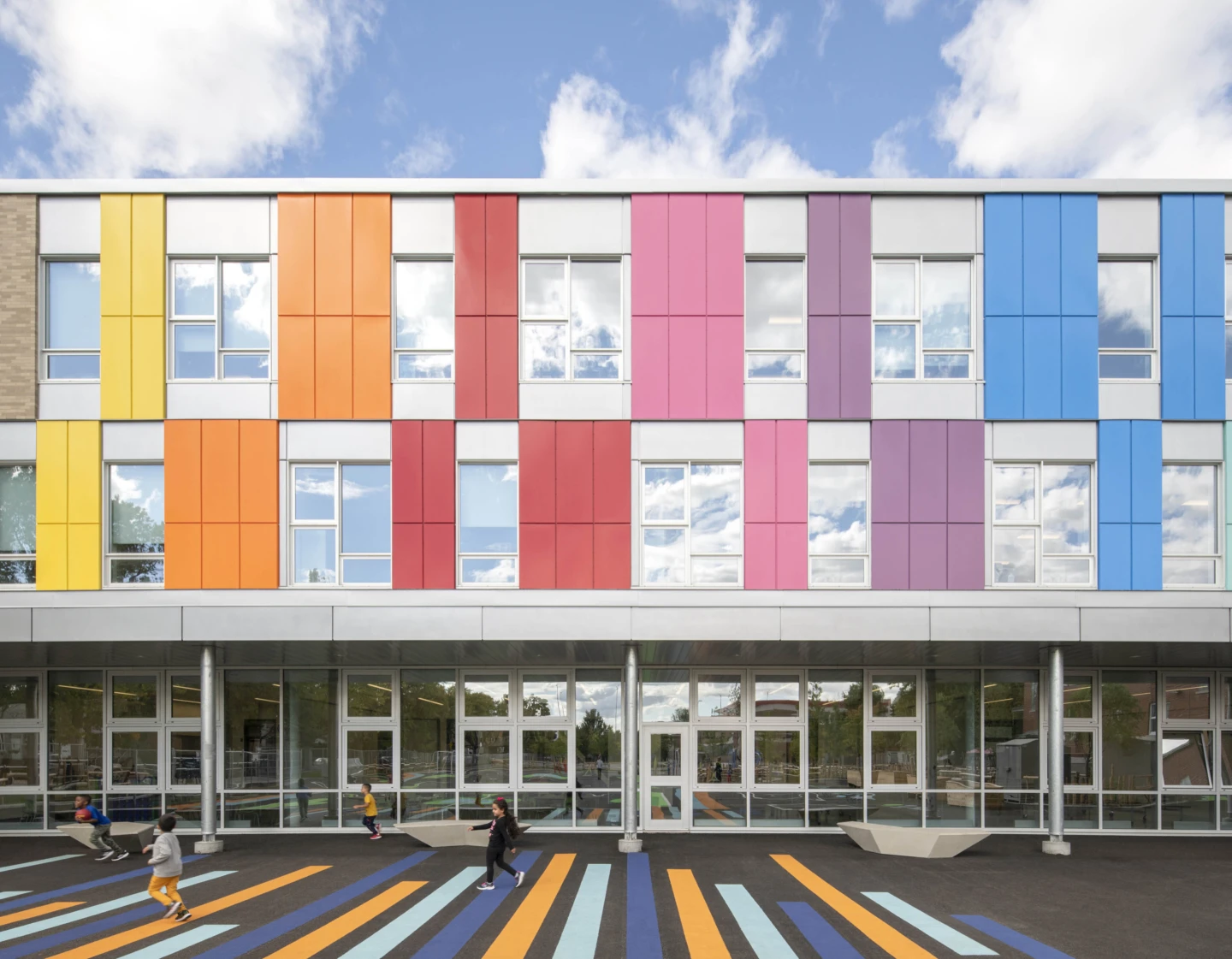
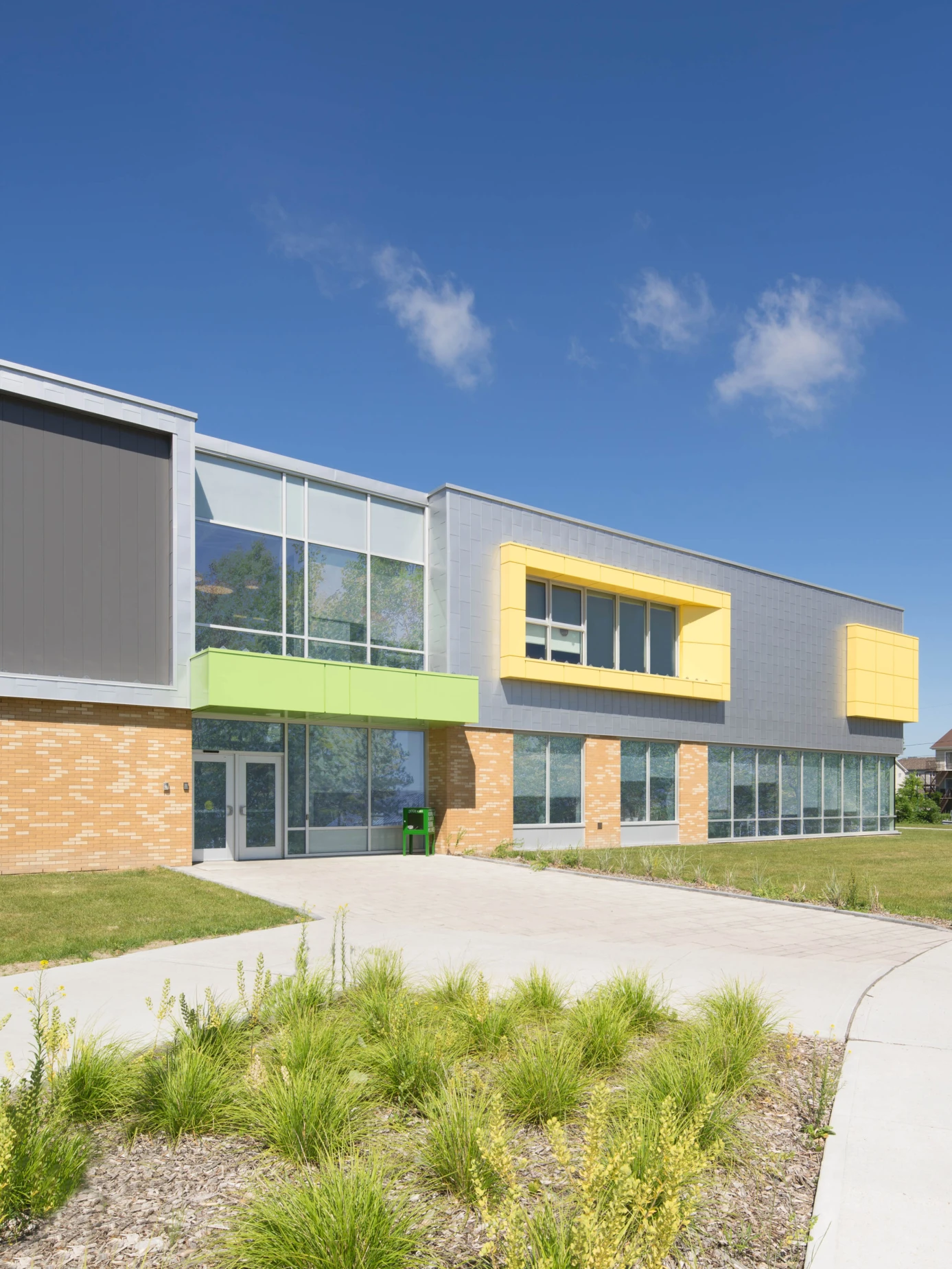
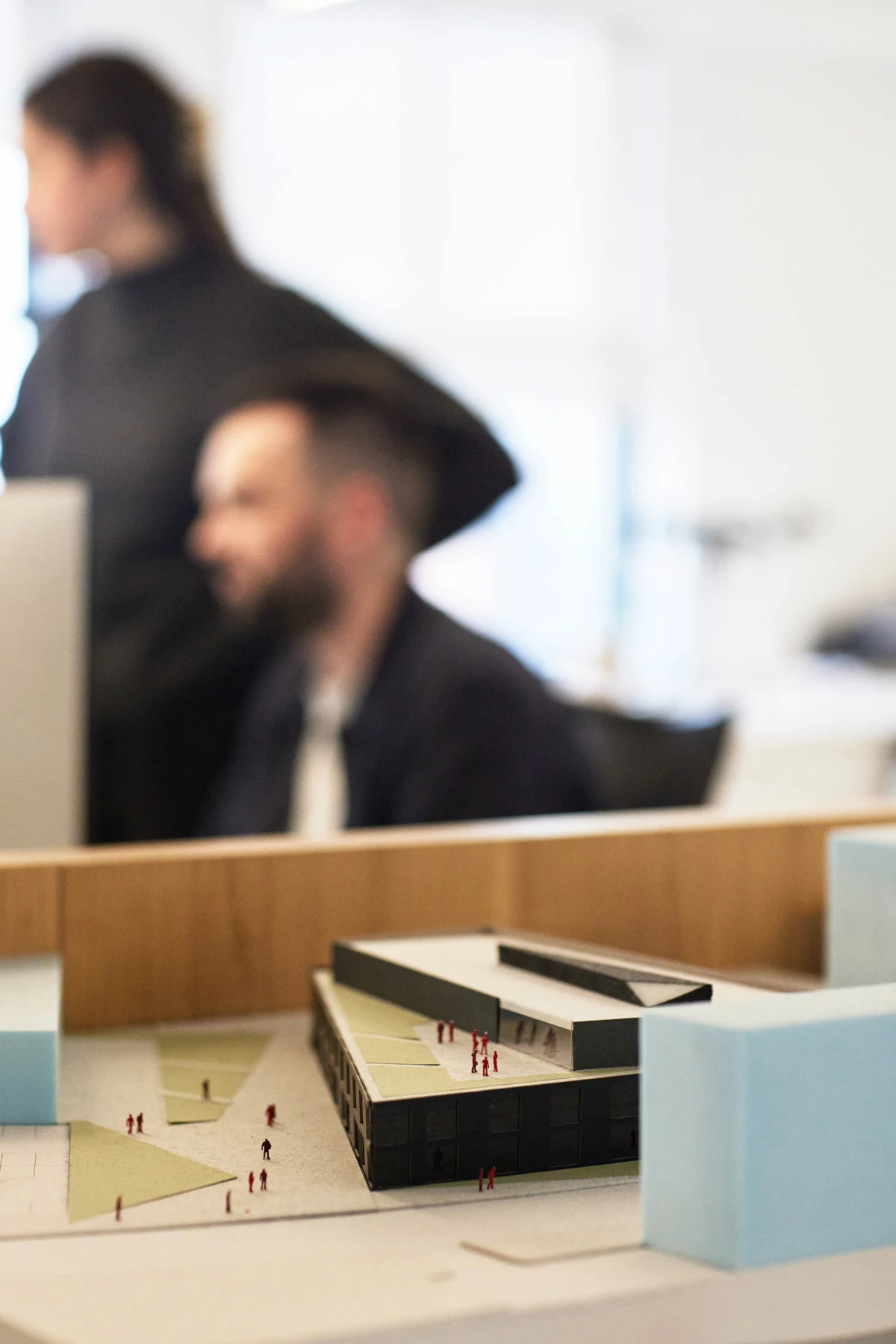
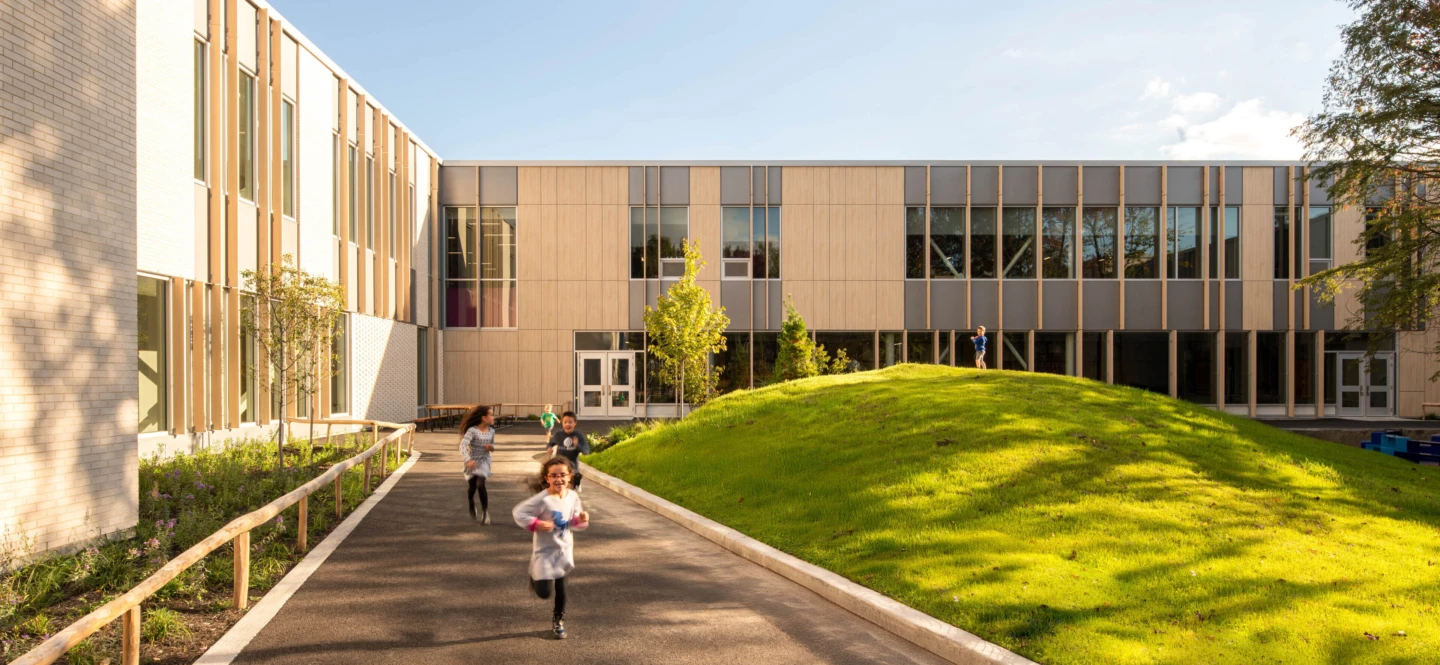
The ceremonial entrance is distinguished by a pronounced recess beneath the upper volume, as well as by a distinctive arrangement of finishes that are simple and durable. The school, which includes six kindergarten classrooms, twenty-four elementary classrooms, and two special education classrooms, adopts a U-shaped layout creating a central courtyard. The team designed clear and functional site arrangements: parent drop-off areas, bus loading zones (which also serve as the schoolyard), staff parking, the schoolyard and its various activity zones, in addition to all access points.


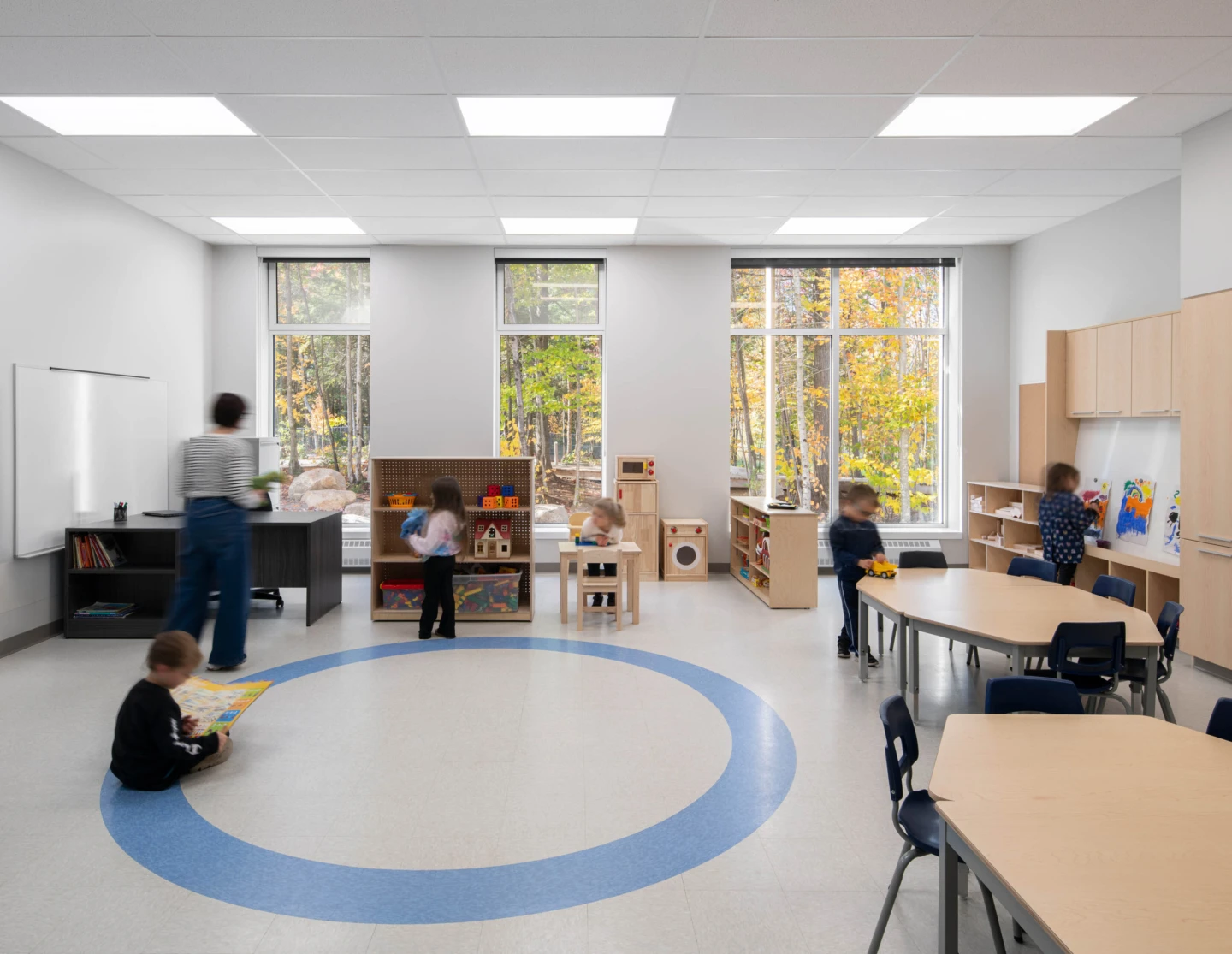
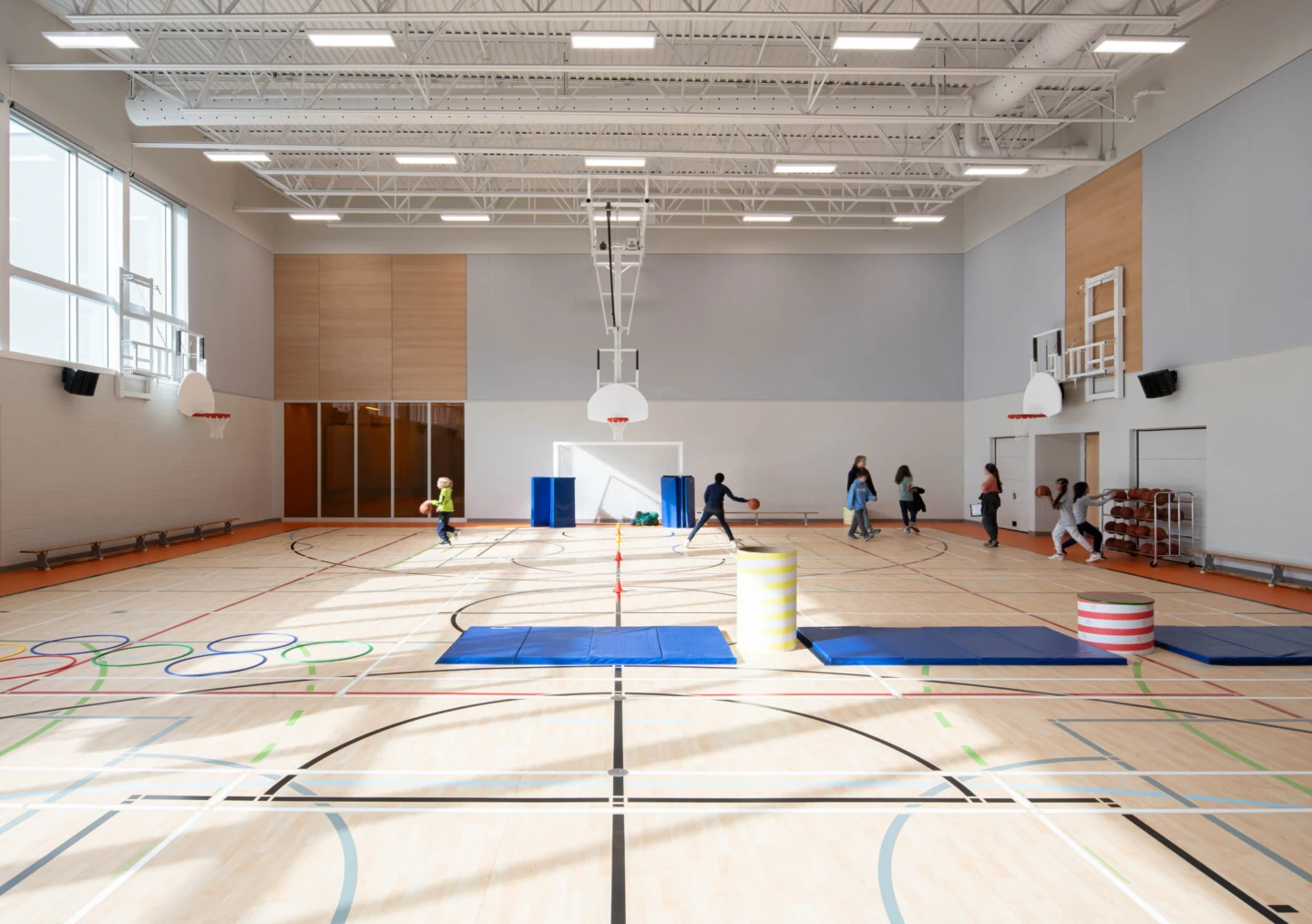
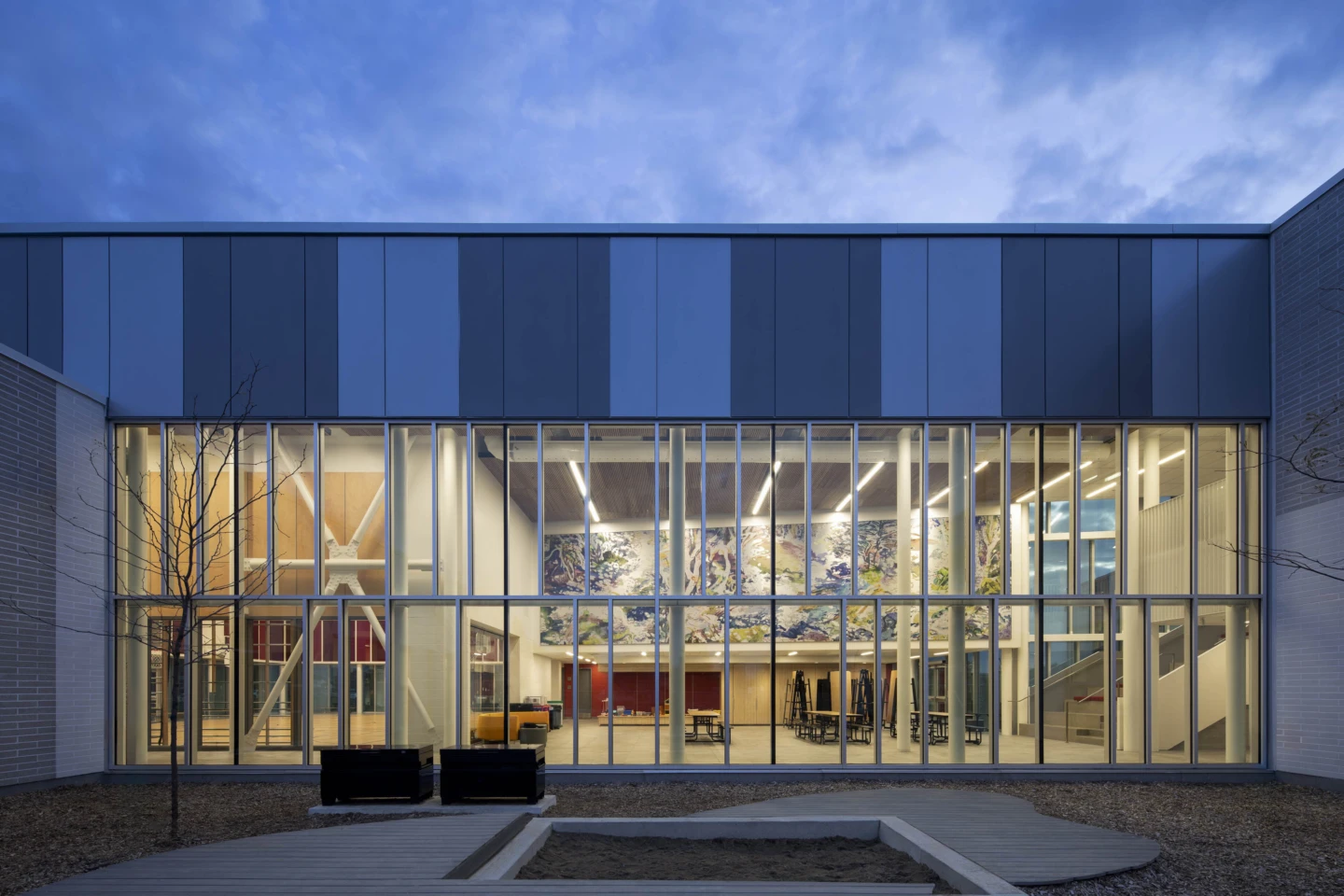
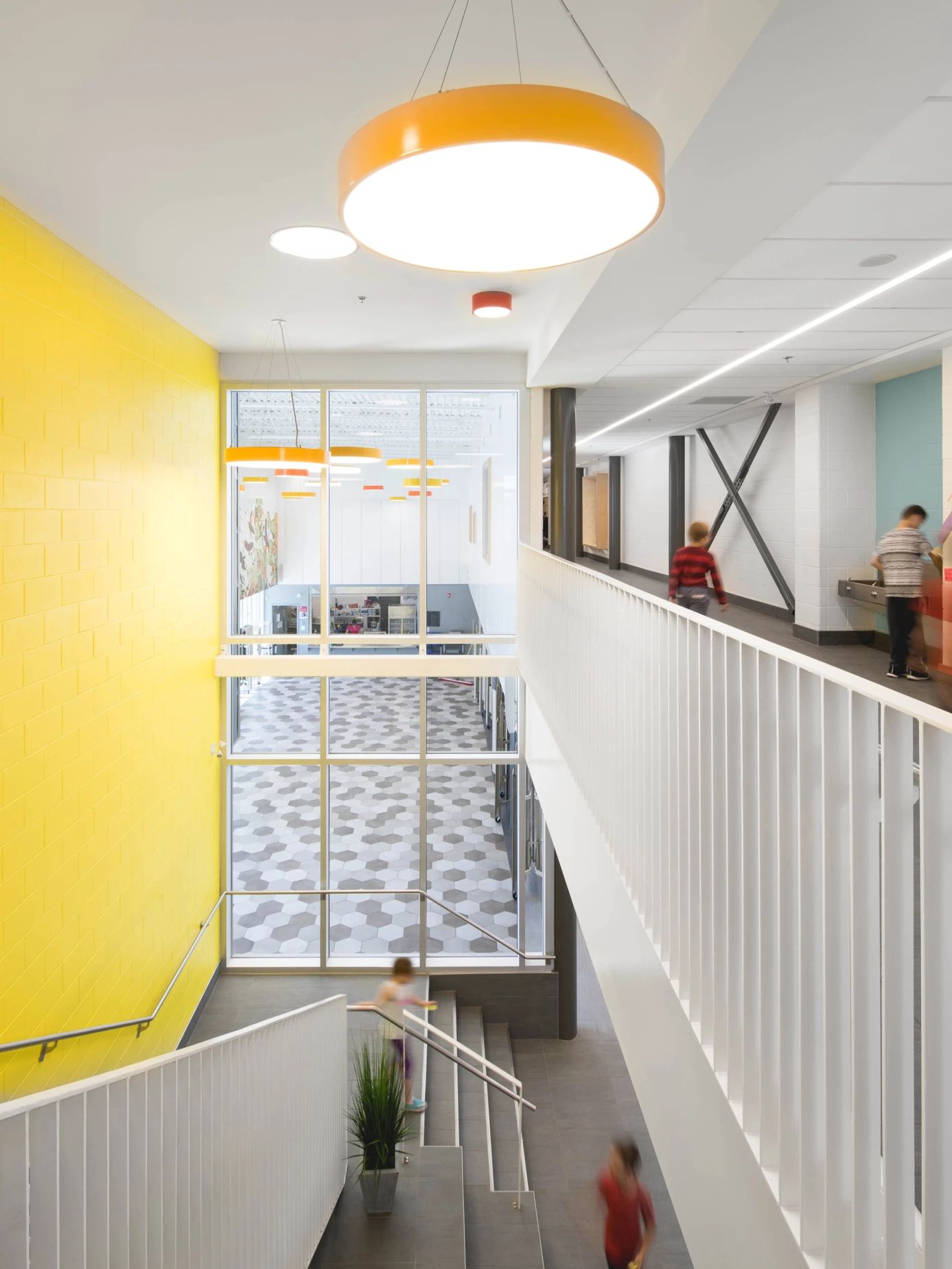
École de l’Étincelle features two academic wings arranged symmetrically on either side of a landscaped green space. The courtyard is scaled appropriately for its users and animated through the development of quieter, more contemplative themes. In contrast, the classrooms open onto the opposite perimeter, benefiting from greater access to natural light. A bridge volume connects the two academic wings and houses gathering spaces facing the courtyard, as well as athletic facilities along the opposite perimeter. A transverse circulation axis is integrated into the design, connecting with the longitudinal axes and framing views of the central courtyard through transparency.


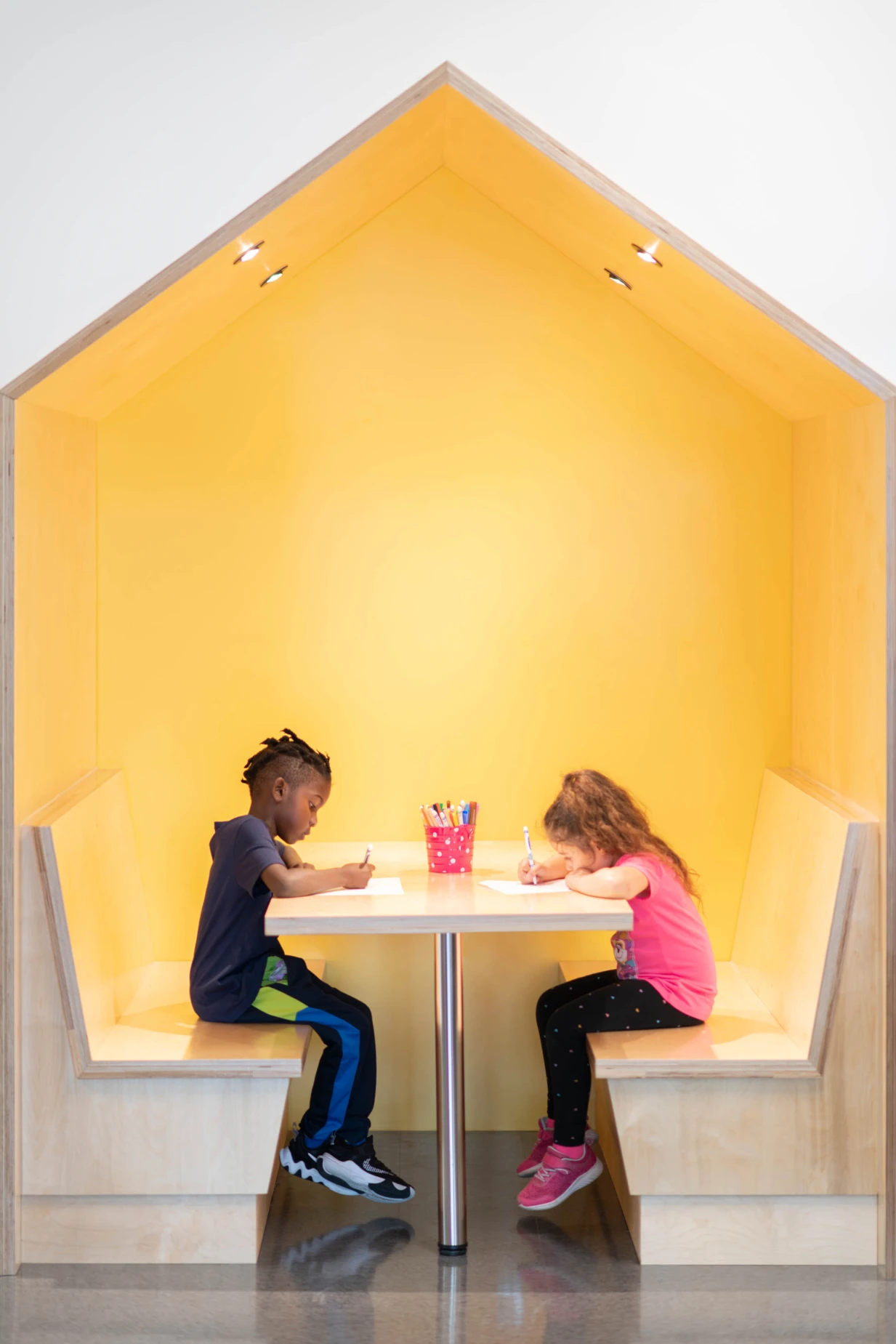
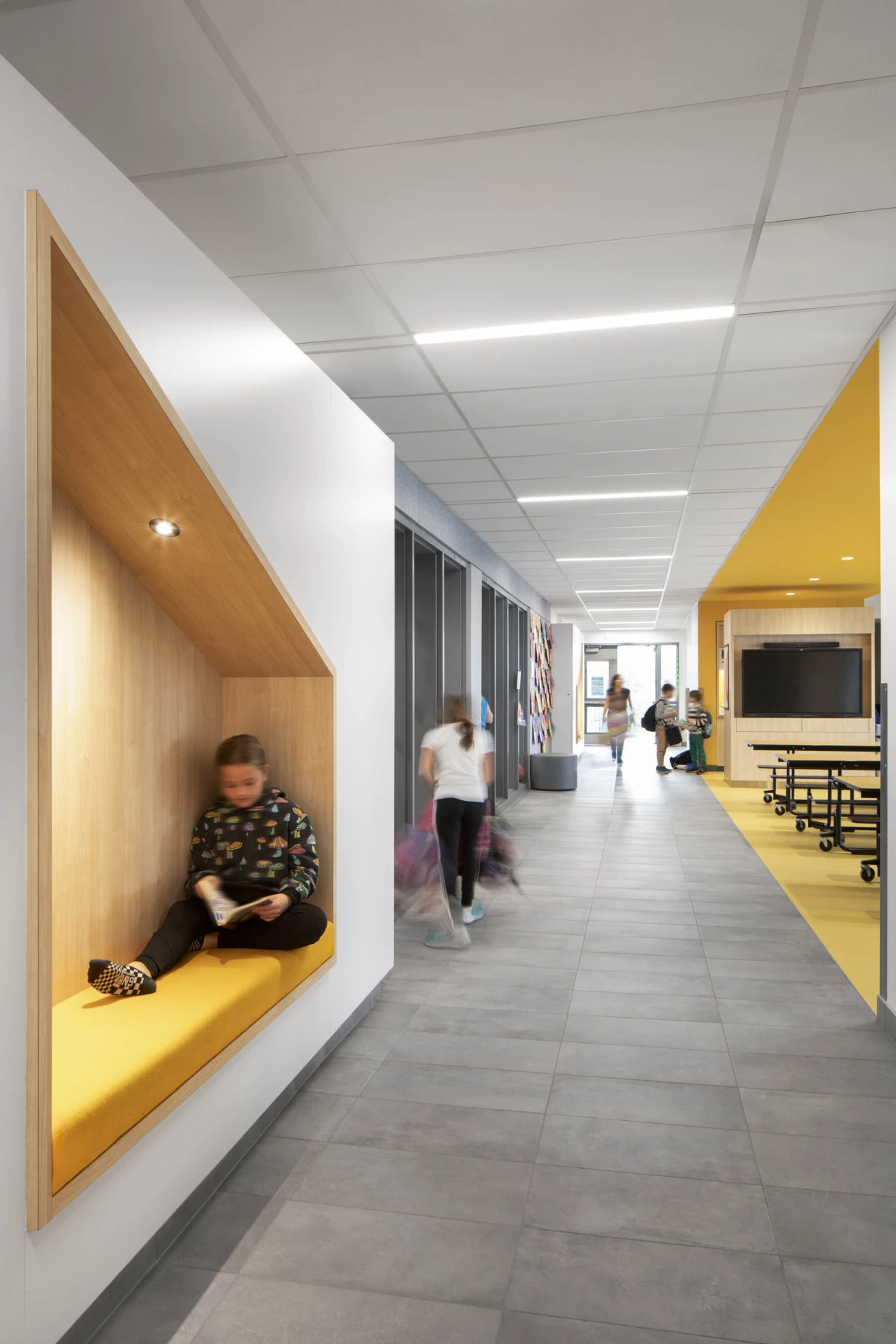
The project incorporates open, flexible, and shared learning environments; classrooms that can be combined using movable partitions; and the presence of spaces known as LOMFARE (Local Multifonction d’Aide à la Réussite Éducative — multifunctional spaces supporting educational success), all of which encourage co-teaching and small-group learning. These design features promote interaction and the creation of social spaces, allowing students to collaborate, support one another, and develop autonomy. The design also integrates outdoor classrooms and multipurpose spaces that support active learning. Contemporary educational approaches, such as flexible classrooms and hybrid learning, strongly influence the layout of the spaces by providing adaptable environments that respond to students’ diverse needs while encouraging educational innovation.


Architecture
Provencher_Roy / BTAA
Landscape Architecture
Relief Design